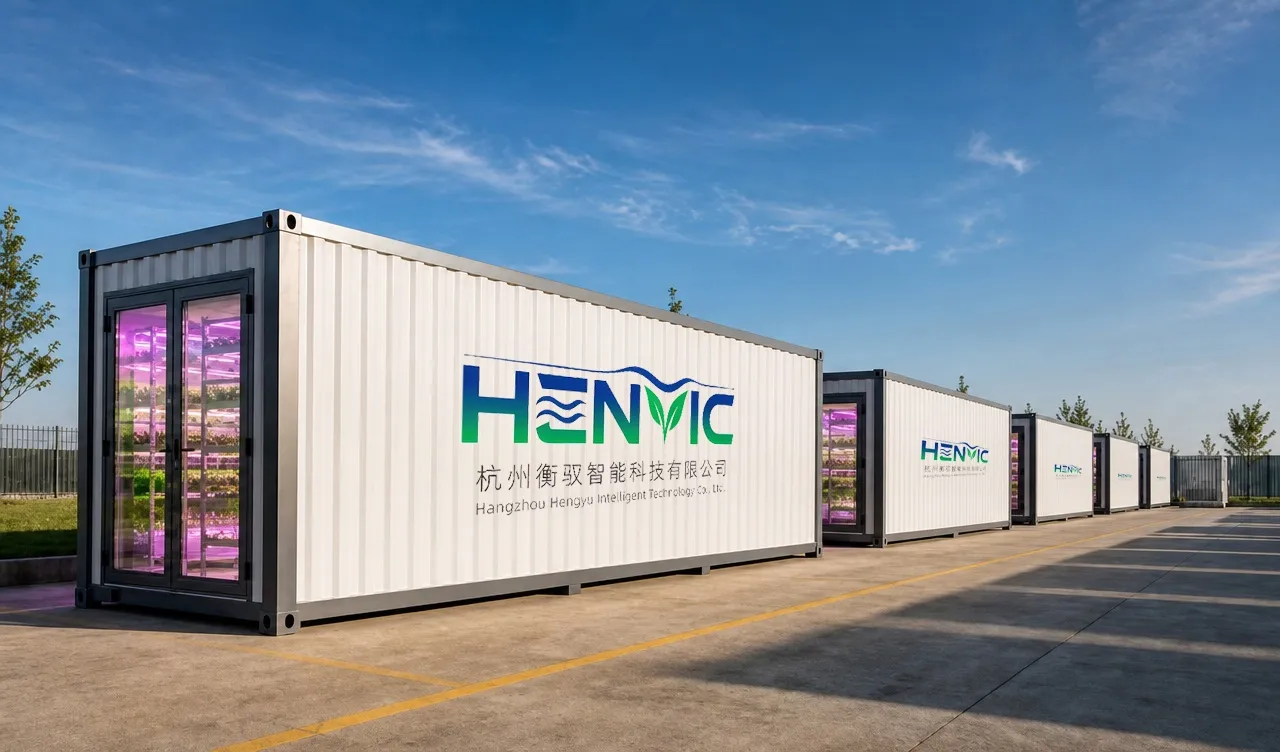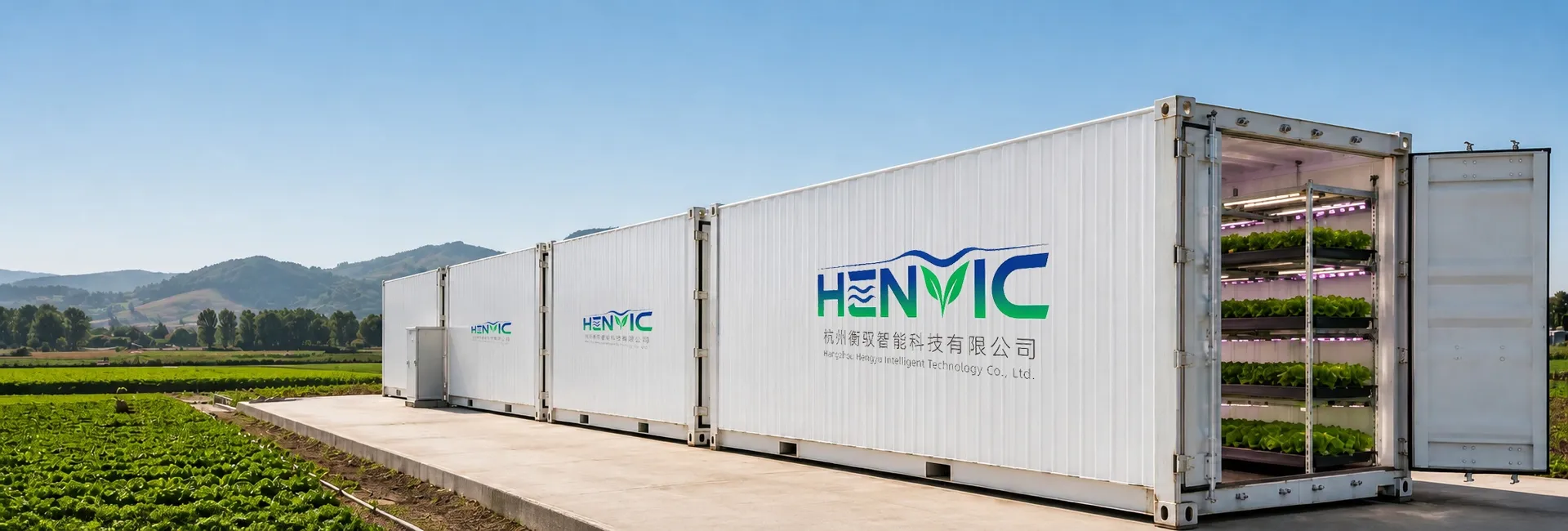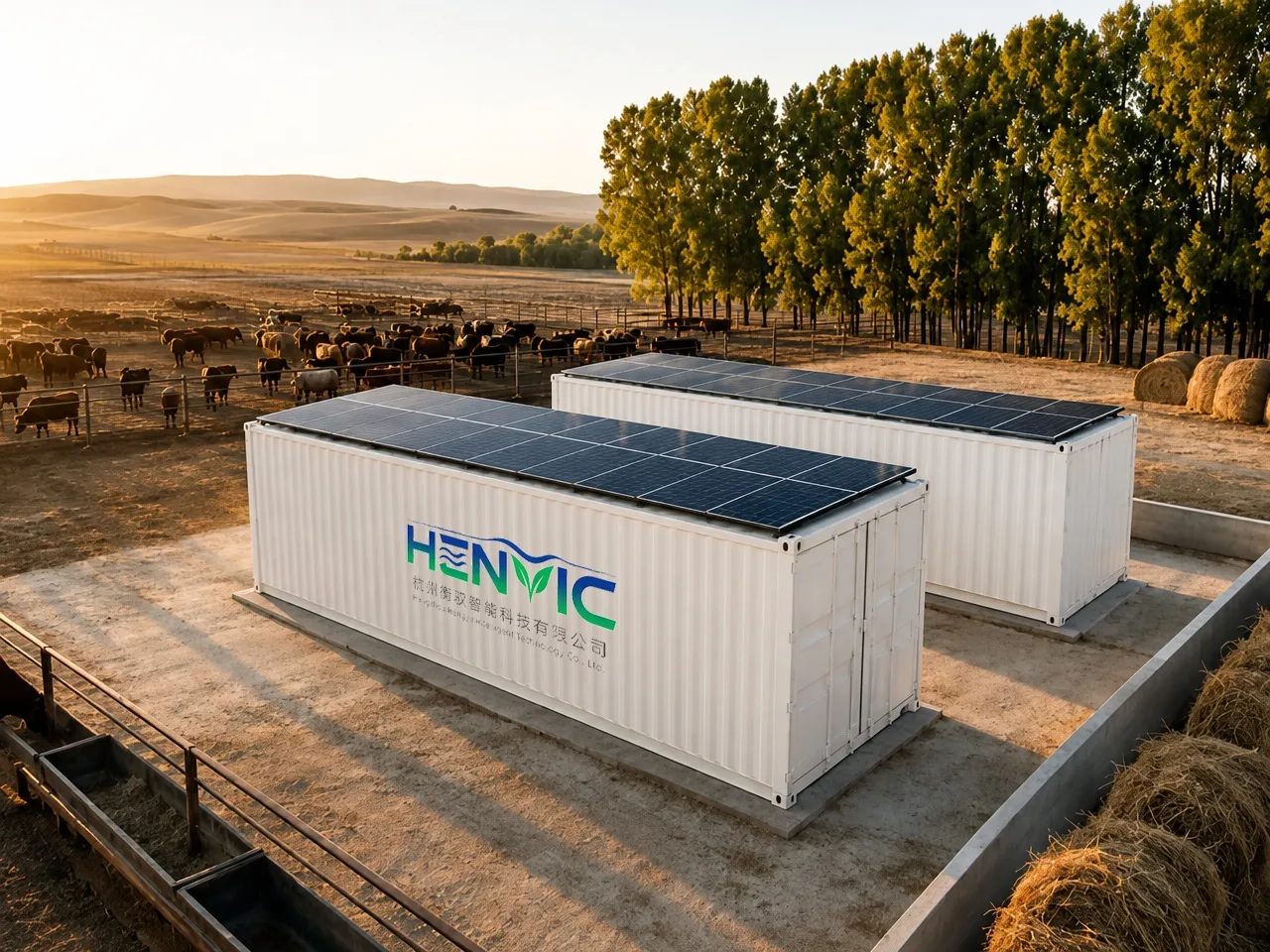
40 ft Mushroom Container Elm Oyster Mushroom Programme
PRODUCT OVERVIEW
The container turns weather-dependent fruiting into batch scheduling: loading, pinning and harvest windows are fixed in advance, and cold chain and sales work from the same calendar.
The 3,200 bags sit on multi-tier racking with spacing set by bag height and fruiting room; a continuous picking aisle allows a full harvest without dismantling racks.
A ten-day cycle with three flushes per bag makes this the fastest-turning specialty species.
Remote sites and institutional kitchens use the unit for fresh mushrooms; Elm Oyster Mushroom is harvestable in 10 days without long-haul cold chain.
CROP AND OUTPUT DATA
Species | Elm Oyster Mushroom (Specialty) |
Cultivation | Bag cultivation |
Flushes | 3 flushes |
Growing cycle | 10 days |
Yield | 0.6 kg per bag |
Load per cycle | 3,200 bags |
Monthly output | 1,920 kg |
Annual output | 23,040 kg |
Cycles per year | 12 |
Figures follow the 40 ft mushroom container baseline: 3,200 bags per cycle, or 83 m² of compost bed for button mushroom. Output is an estimate and varies with substrate quality, fruiting climate and harvest practice.
KEY ADVANTAGES
· Each unit runs independently, so parallel containers do not interfere.
· Independent cooling and humidification loops hold humidity without over-cooling, so caps stay firm.
· Condensation-controlled envelope keeps walls from dripping onto the beds.
· Species recipes are called from the controller, so a variety change needs no rebuild.
· A fixed cleaning routine keeps downtime between batches short.
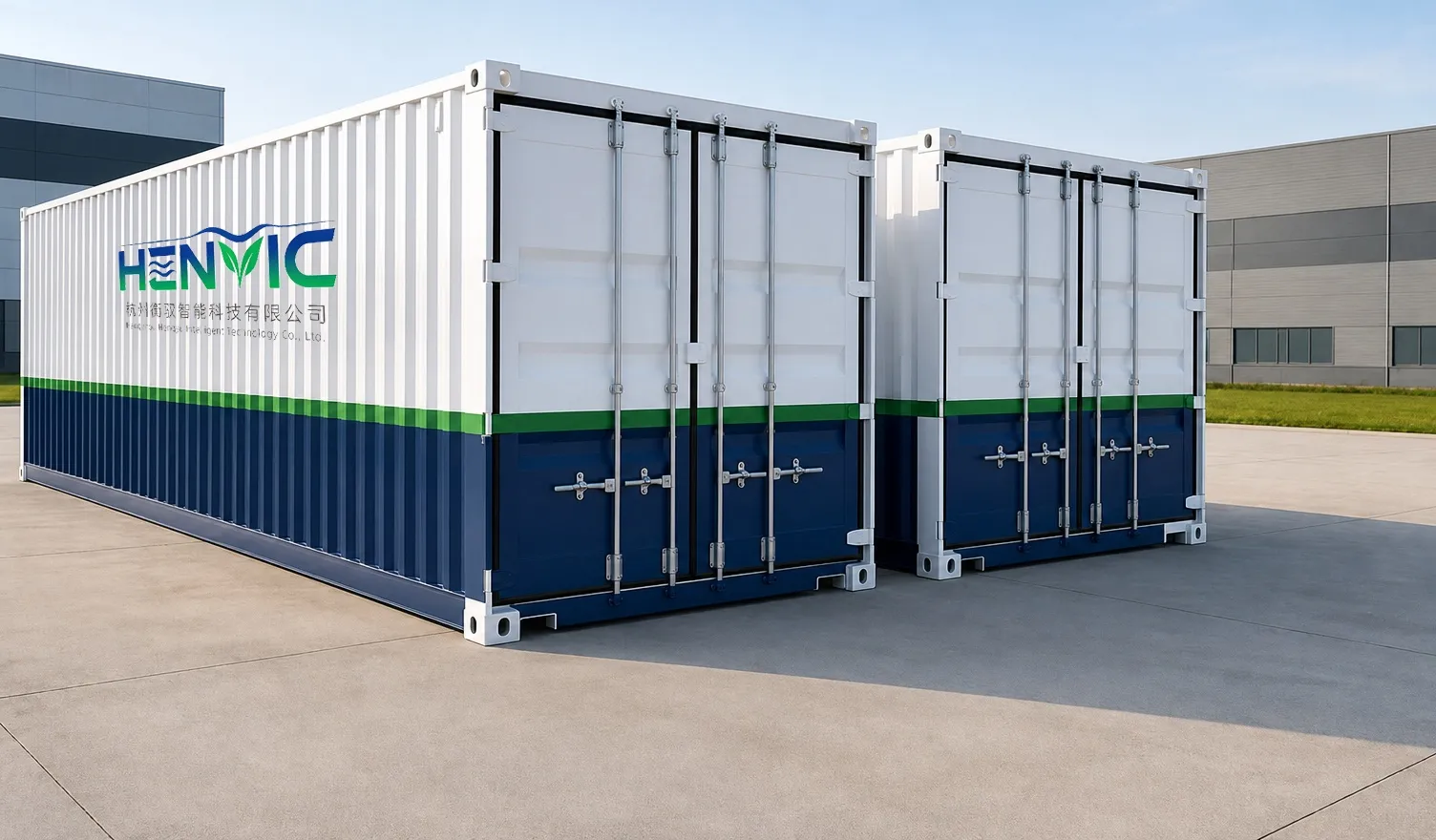
· The 40 ft ISO shell ships on a flatbed and sets by crane or forklift.
· Bag supply and process training are included, so production starts on a batch basis.
· 1,920 kg a month and 23,040 kg a year let supply be planned backwards from contracts.
CONTAINER CONFIGURATION
Footprint | 12.0 x 2.45 x 3.0 m (40 ft container) |
Growing system | Bag cultivation |
Load per cycle | 3,200 bags |
Temperature | 12 - 24 °C, set per species |
Relative humidity | 85 - 95% during fruiting |
CO2 and fresh air | Capped per species; filtered air under slight positive pressure |
Lighting | Staged lighting for cap form and colour |
Humidification water | Softened to limit mineral spotting on caps |
Control and monitoring | PLC, touchscreen HMI, remote monitoring and alarms |
Delivery | Pre-commissioned at the factory, set and connected on site |
CLIMATE AND CONTROL
Multi-tier racks are sized to the bags with enough fruiting space between tiers, and a picking aisle runs the full length. Loading and harvest sit at opposite ends so product never backtracks.
Humidification water is softened to limit mineral deposits on caps; floor drainage collects at one point, and cleaning uses fogging rather than heavy washing.
CULTIVATION AND SCHEDULING
Harvest crews are sized against 0.6 kg per bag per bag, and product is cooled immediately to limit water loss and browning.
The standard schedule assumes 3,200 bags per unit and 10-day batches, giving 12 cycles a year. With several units, stagger loading weekly so harvest, packing and cleaning do not collide.
DELIVERY, TRAINING AND SERVICE
Training covers four tasks: bag acceptance, climate rounds, harvest grading and room sanitation. Most teams operate independently within a week.
Consumables are stocked regionally - filters, humidifier modules, sanitiser and bag crates - with standard items shipped within five working days.
FREQUENTLY ASKED QUESTIONS
Is climate control difficult to operate?
The system runs the species recipe automatically; operators do rounds and handle alarms. The critical disciplines are softened water, positive pressure and thorough drying after cleaning.
How is contamination prevented?
Three layers: filtered air under positive pressure, incoming bag inspection, and between-batch sanitation. Suspect bags are isolated before entering the fruiting room.
Can several species share one unit?
Yes, but group species with similar temperature needs in one unit; species with very different requirements belong in separate containers or zones.
How is CO2 controlled during fruiting?
CO2 is capped per species and managed with fresh and recirculated air. High CO2 stretches stems and shrinks caps; low CO2 makes humidity hard to hold.
CONTACT AND DATA NOTES
Hangzhou Hengyu Intelligent Technology Co., Ltd. designs, builds and delivers complete mushroom containers. Share your site conditions, target species and weekly volume, and we will return a layout, a batch schedule and a climate load estimate. Figures in this document use the 40 ft mushroom container (3,200 bags per cycle; 83 m² of compost bed for button mushroom) as the baseline and are estimates, not a performance guarantee.