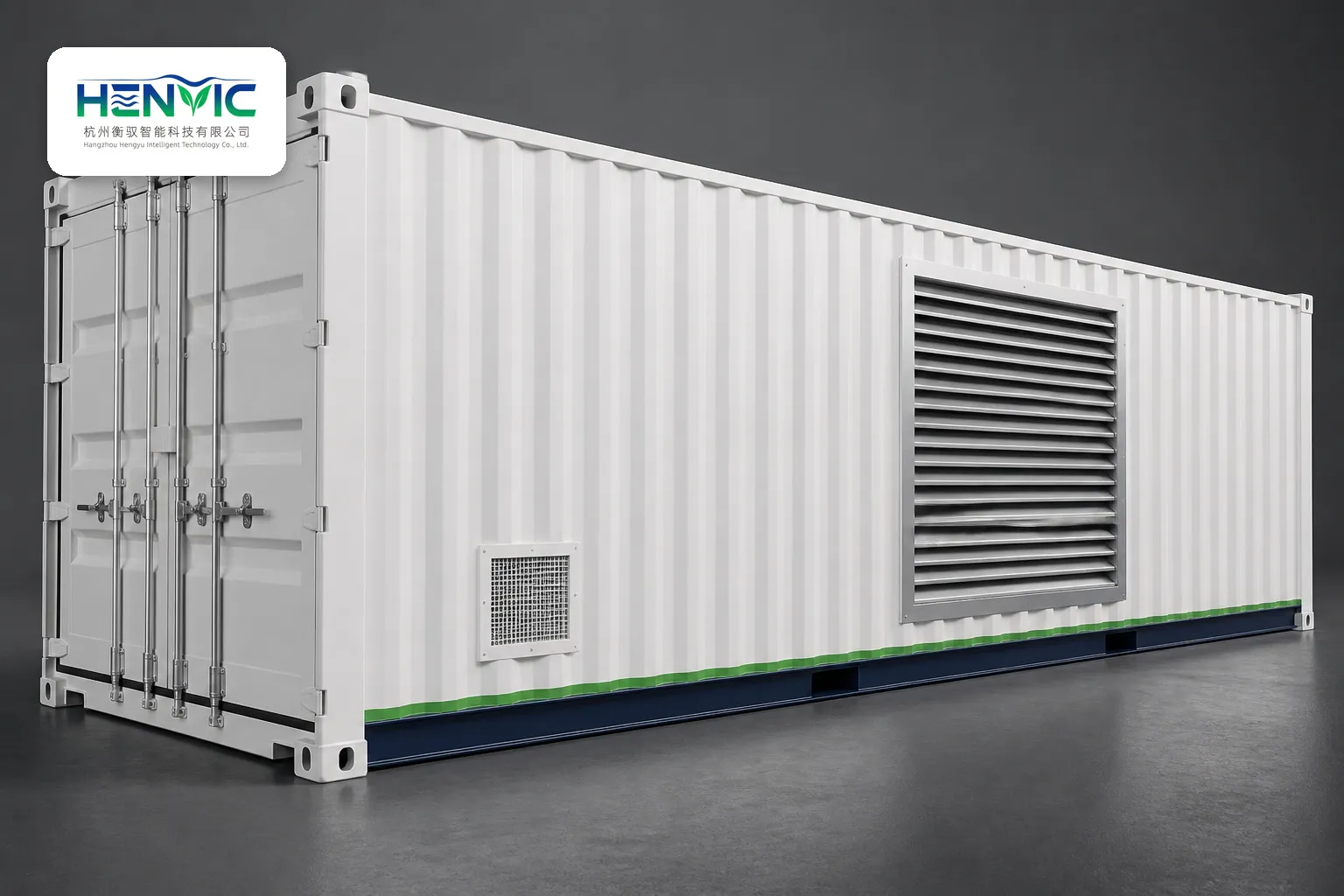
Pleurotus ostreatus, commonly known as the oyster mushroom, stands out as one of the most widely cultivated edible fungi globally, celebrated for its rich nutritional profile, medicinal benefits, and remarkable adaptability. As modern agricultural practices continue to evolve toward precision, automation, and containerization, oyster mushroom cultivation has fully transitioned into containerized systems — transforming traditional open-field and seasonal production into a year-round, enviro nmentally controlled industrial process. At the heart of this transformation lies a set of auxiliary yet pivotal technologies. Here are the six core technologies that serve as the foundation of modern containerized oyster mushroom cultivation.
1. Container Environmental Control Technology
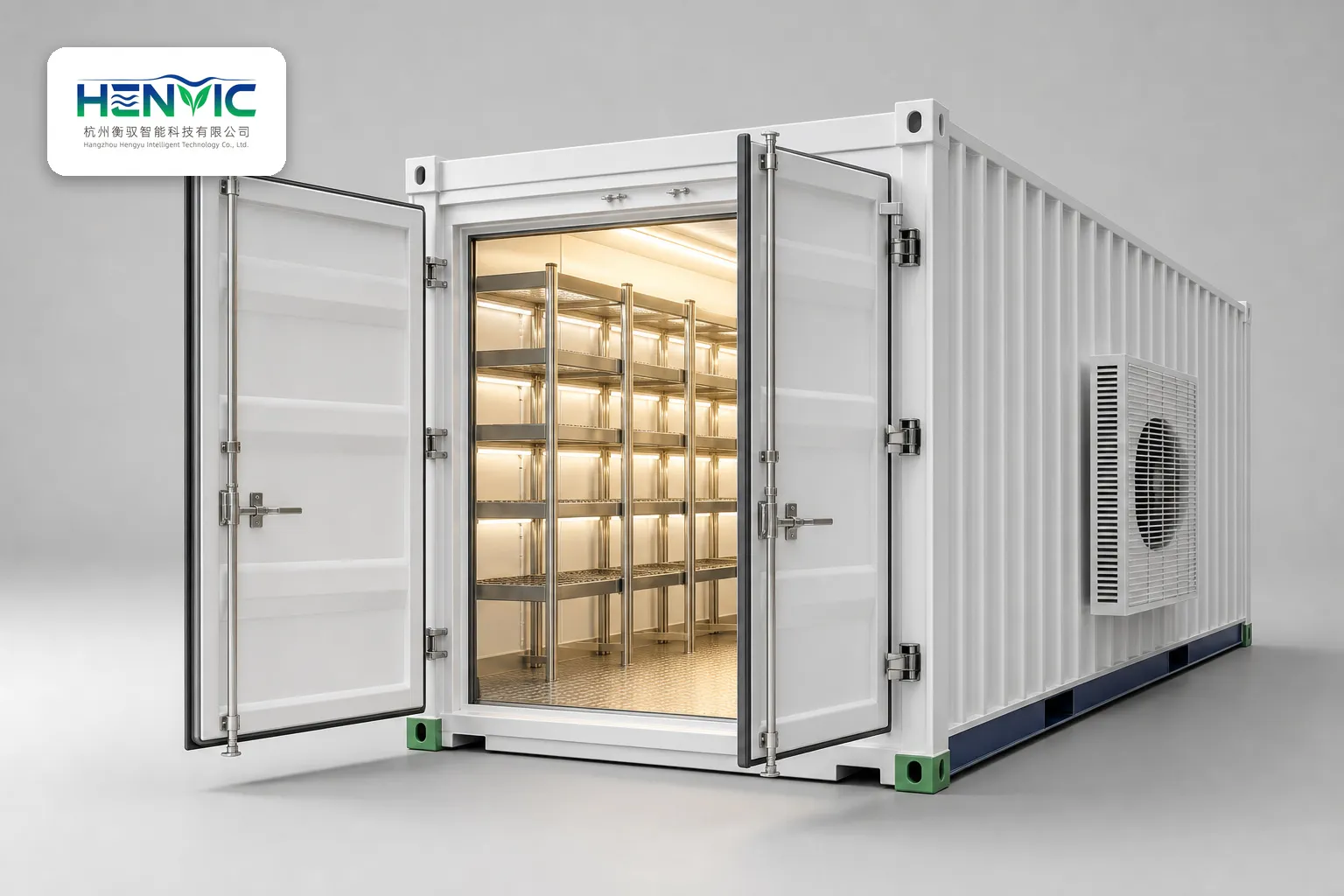
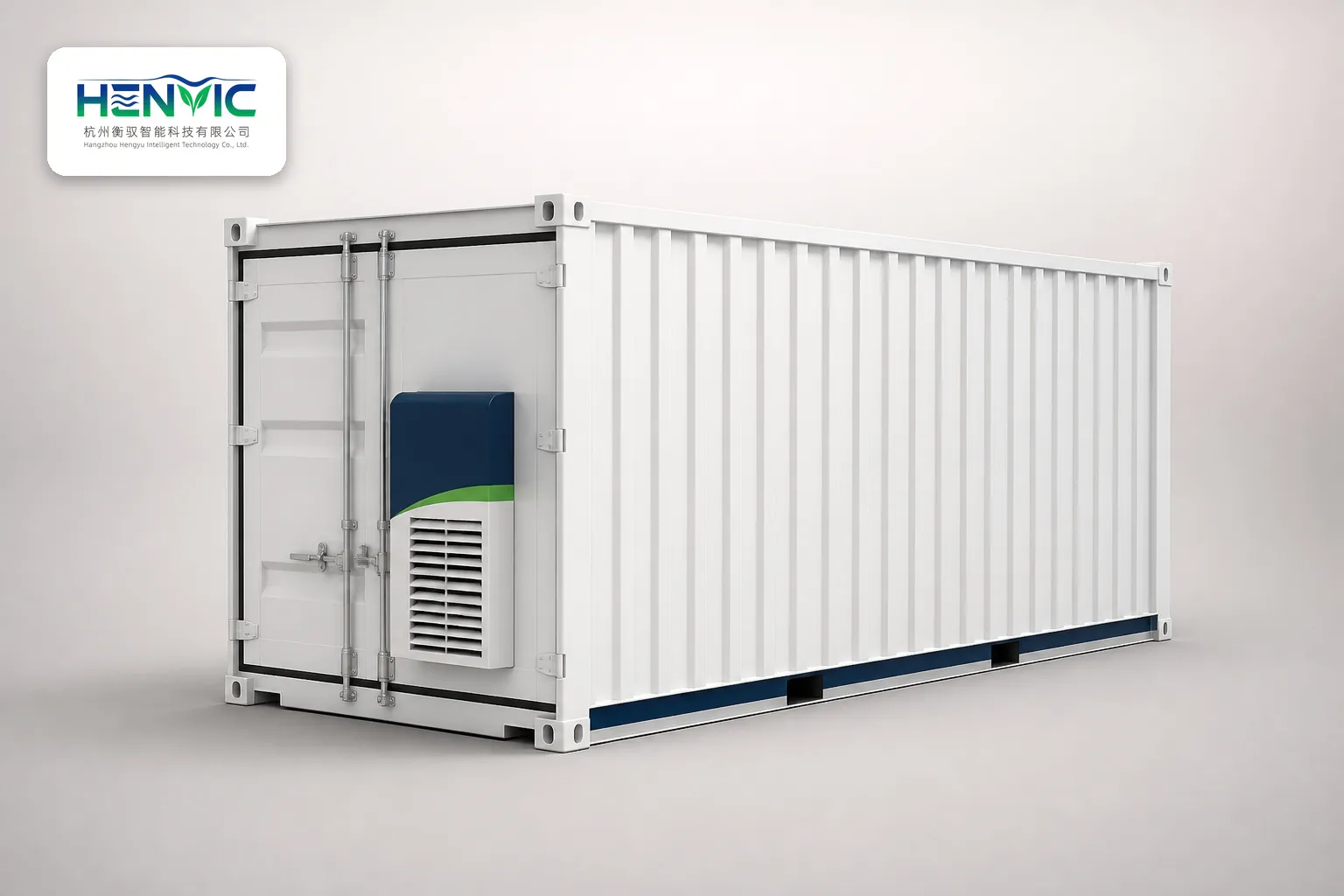
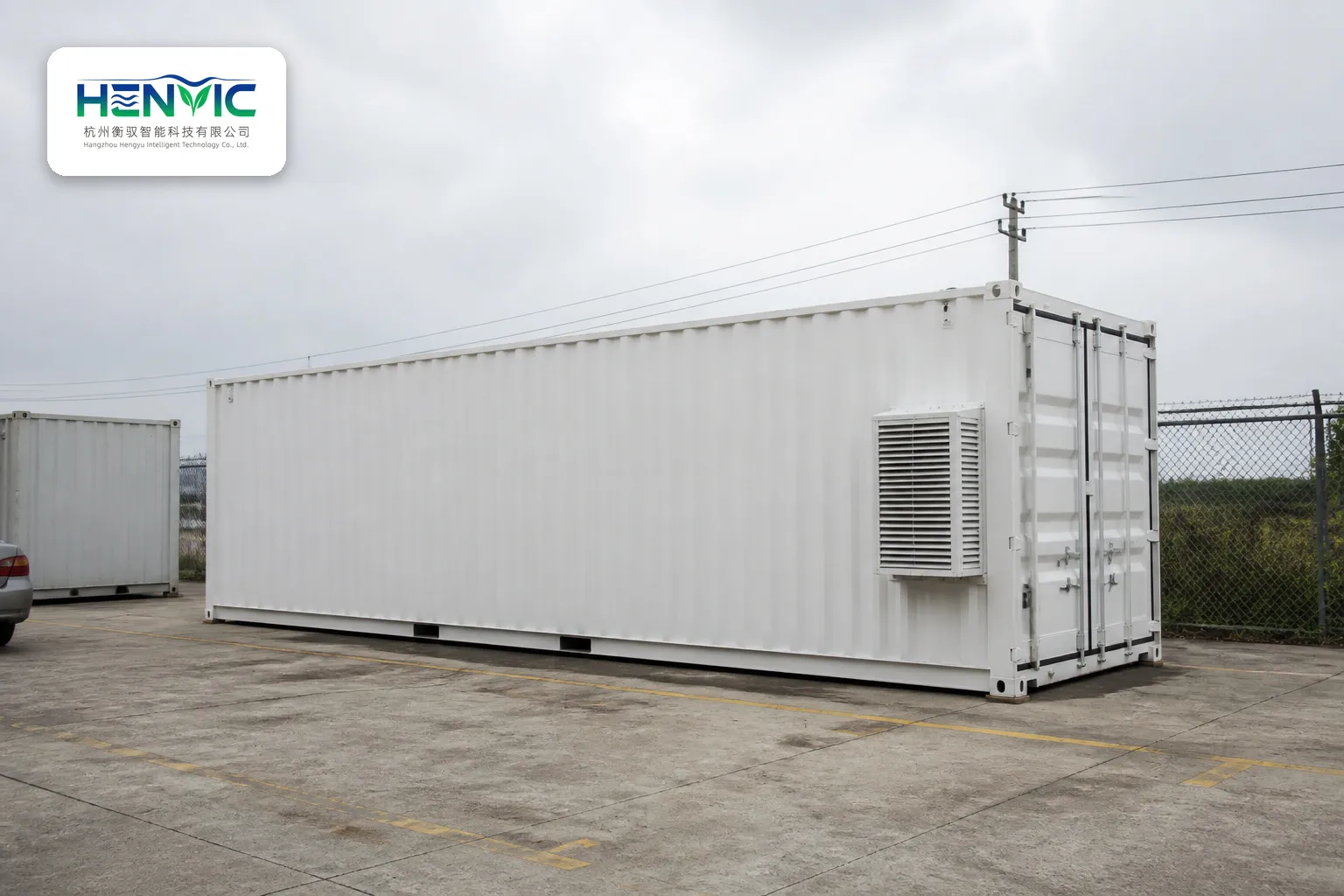
The essence of containerized cultivation lies in constructing an independent, sealed, and fully controllable micro-climate. Standard steel or insulated containers are repurposed into precision growth chambers by integrating advanced environmental regulation equipment. Passive insulation materials and modern active HVAC (Heating, Ventilation, and Air Conditioning) units work in tandem to maintain a consistent 22-26°C fruiting zone. Surrounded by positively pressured HEPA-filtered ventilation, the enclosed space maintains 85-95% relative humidity while strictly monitoring carbon dioxide and air circulation. This complete insulation prevents pest infiltration and external contamination, ensuring the entire biological process remains predictable and free from seasonal disruptions.
2. Soil-Free Substrate Formula and Sterilization Technology
Substrate is the lifeblood of oyster mushroom growth. Modern systems have abandoned conventional soil culture in favor of optimized, multi-component agricultural byproducts — predominantly sawdust, corn cobs, wheat bran, and soybean meal — to form a completely soil-free formula. This mix provides high cellulose and hemicellulose content that ideally supports fungal degradation. Moreover, through continuous technological upgrades, high-pressure steam sterilization technology effectively eliminates competitor molds and harmful pathogens, locking the substrate in a sterile state where the inoculated strain can flourish unimpeded by unwanted biological competition.
3. Automated Environmental Monitoring and Control
In traditional cultivation, growers relied heavily on personal experience to gauge environmental shifts. In modern container units, sensor networks and automated control systems now manage the growth process. A comprehensive array of sensors continuously streams real-time data on temperature, humidity, light intensity, and carbon dioxide levels. When readings deviate from set parameters, the system automatically activates spray nozzles, humidifiers, or exhaust fans to instantly restore optimal conditions. This automated precision not only heightens production consistency but also eliminates day-to-day human error.
4. Precision Cultivation and Fruiting Management
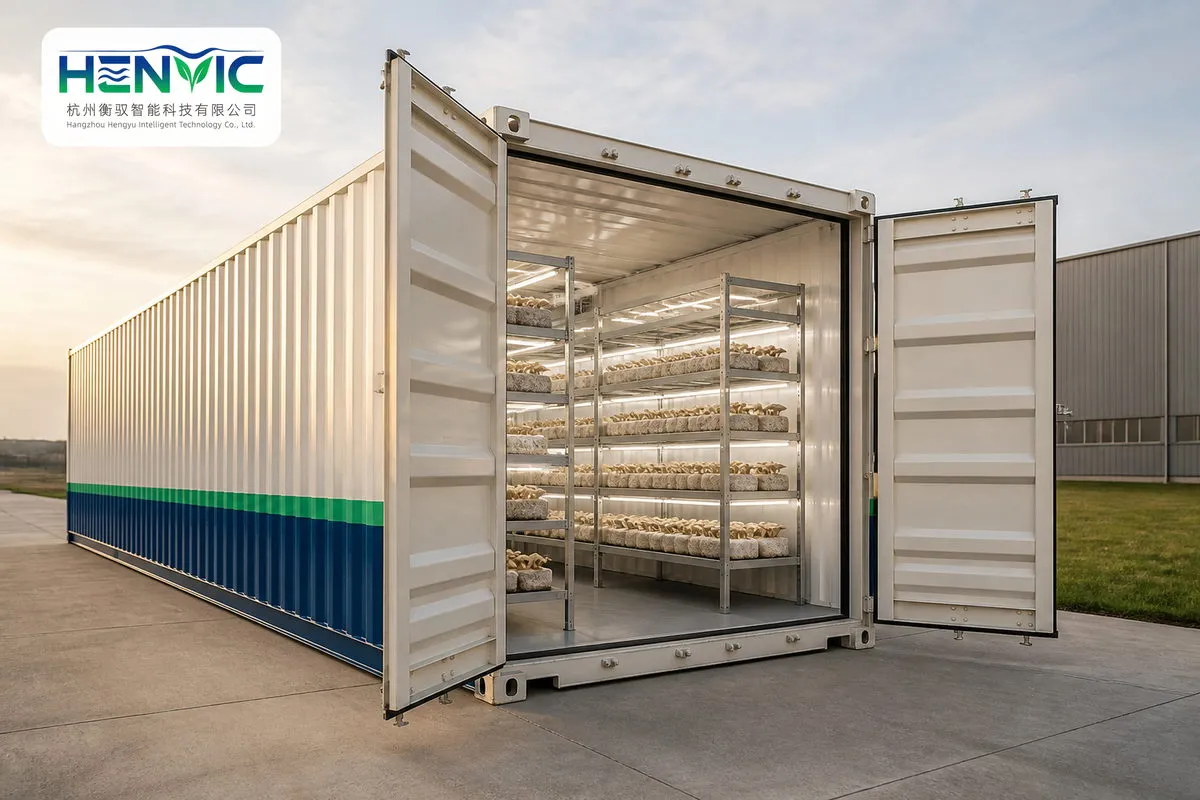
The fruiting phase is the most critical milestone for oyster mushroom yield. Distinct from ancient farming methods, containerized systems employ precision fruiting management through carefully orchestrated environmental triggers. Nursery bags are strategically positioned to receive uniform diffused light. By adjusting light cycles and carbon dioxide levels to mimic natural fruiting cues, growers actively stimulate primordia initiation and fruiting body differentiation. Regulating the precise light spectrum and humidity prevents deformed caps, prolonged stems, or premature decay, ensuring each batch matures into a uniform, commercially valuable harvest.
5. Biological Pest and Disease Prevention
Given the enclosed nature of the space, the risk of external contaminants is minimal, but internal diseases such as Trichoderma green mold and bacterial infections demand rigorous preventative measures. Container vans maintain strict cleanroom protocols, enforcing thorough disinfection before each cycle while strictly regulating the inoculation process to prevent airborne spores from entering the chamber. Favorable cultivation environments combined with positive air pressure keep pests entirely out of the system, eliminating the need for chemical pesticides and ensuring a naturally organic final product.
6. Smart Logistics and Yield Optimization
Beyond the growth cycle, technology extends into harvest and post-harvest handling. In many advanced containerized farms, automated harvesting robots gently harvest mature clusters without damaging the delicate fruiting bodies. Once harvested, intelligent logistics software tracks real-time climate parameters, dynamically adjusting the mature mushroom's respiration rate to extend shelf life. This integrated approach links the entire cultivation lifecycle, from substrate to final delivery, refining long-term yield efficiency and eliminating post-harvest losses.
Conclusion
In summary, the core technologies underpinning modern containerized oyster mushroom cultivation — encompassing micro-climate management, sterilized soil-free substrates, automated monitoring, precision fruiting stimulation, biological disease prevention, and smart logistics — have created a secure, highly efficient, and consistent production system. While the initial investment may be considerable, this advanced framework effectively removes geographical limits and seasonal constraints, positioning containerized oyster mushroom cultivation as a pillar of modern, eco-conscious agricultural technology.