The distance between a farm and a plate is usually measured in days and in miles. A head of lettuce is cut in a field, cooled, packed, stacked on a truck, driven to a distribution center, sorted again, driven to a store, set on a shelf, and eventually carried home — and only then does it reach a kitchen. Every one of those steps adds time and subtracts something: sugar, crispness, color, weight, and the simple fact of being alive. By the time most produce meets a plate, it has already spent a week getting there.
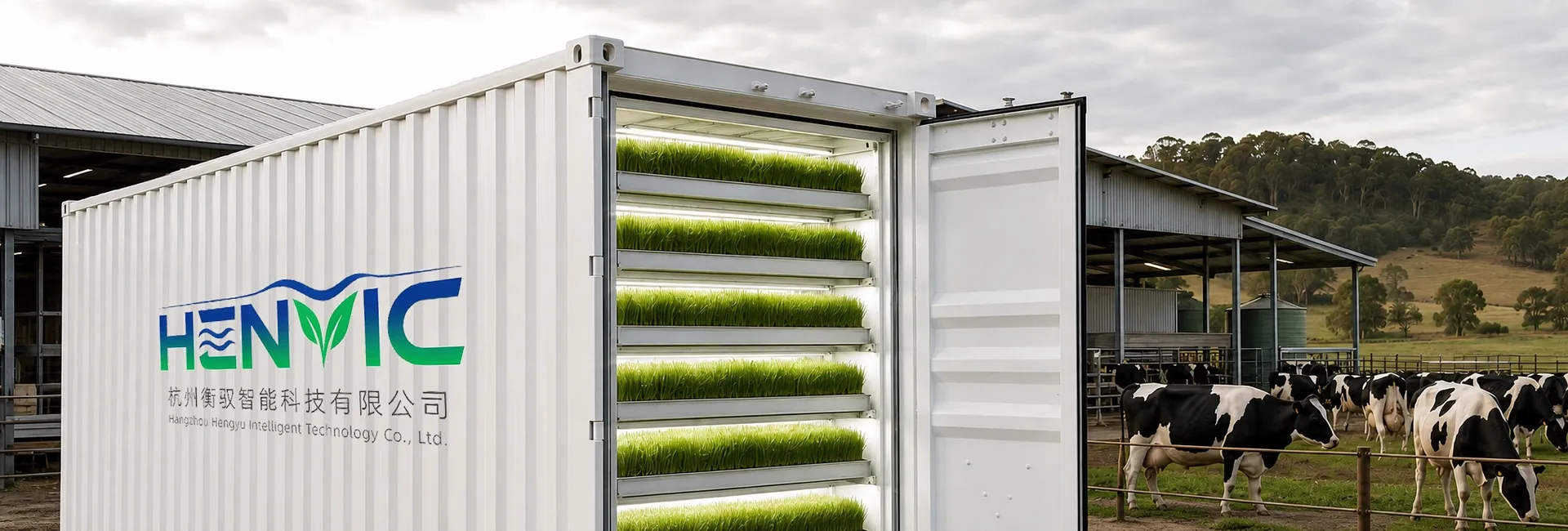
A container farm collapses that chain into a doorway. The crop is not harvested for a warehouse; it is harvested for an order. Someone walks in, cuts what is needed, turns around, and hands it over. The distance from soil to service is thirty meters and about ninety seconds of walking. No packing shed, no pallet, no reefer truck, no middleman deciding which lot moves first.
What "one door" means depends on where the box sits. Behind a supermarket, it is the dock door the produce aisle restocks through. Behind a restaurant, it is the kitchen's back entrance, and the chef crosses it to choose what goes on tonight's plate. At a school, it is the door between a classroom and the cafeteria. At a hospital, a hotel, an office canteen, a food bank — the same short walk, repeated daily, in each case replacing a supply route with a step.
That brevity is not only a matter of romance. Produce that travels loses value the whole way, and a meaningful share of what is harvested never gets sold at all. Shorten the journey to a single door and the losses largely disappear. There is no cold chain to maintain because the plant is still in it. There is no transit packaging to strip and throw away. There is no week of shelf life already spent before the buyer even sees the product.
It also changes what freshness means. Greens can be sold live, roots still in the growing medium, still drinking, still photosynthesizing on a windowsill for a week after purchase. Herbs can be cut to order instead of bought in a plastic clamshell to wilt in a drawer. A chef can taste a crop before committing to it, and come back tomorrow for exactly the amount the menu needs. The buyer knows which rack it came from, which day it was seeded, and what was in the water — not because a label claims it, but because they can walk over and look.
There is a certain honesty in a supply chain that short. Most of the machinery of food distribution exists to solve one problem: getting something perishable from where it grows to where it is eaten without losing too much on the way. Put the growing inside the place that eats, and the problem never arises.
So the box and the table are not finally as far apart as the old map suggests. Between them stands one door, and everything that used to lie in between — the truck, the warehouse, the week, the waste — is simply gone. All that remains is for someone to open it.