1. Introduction
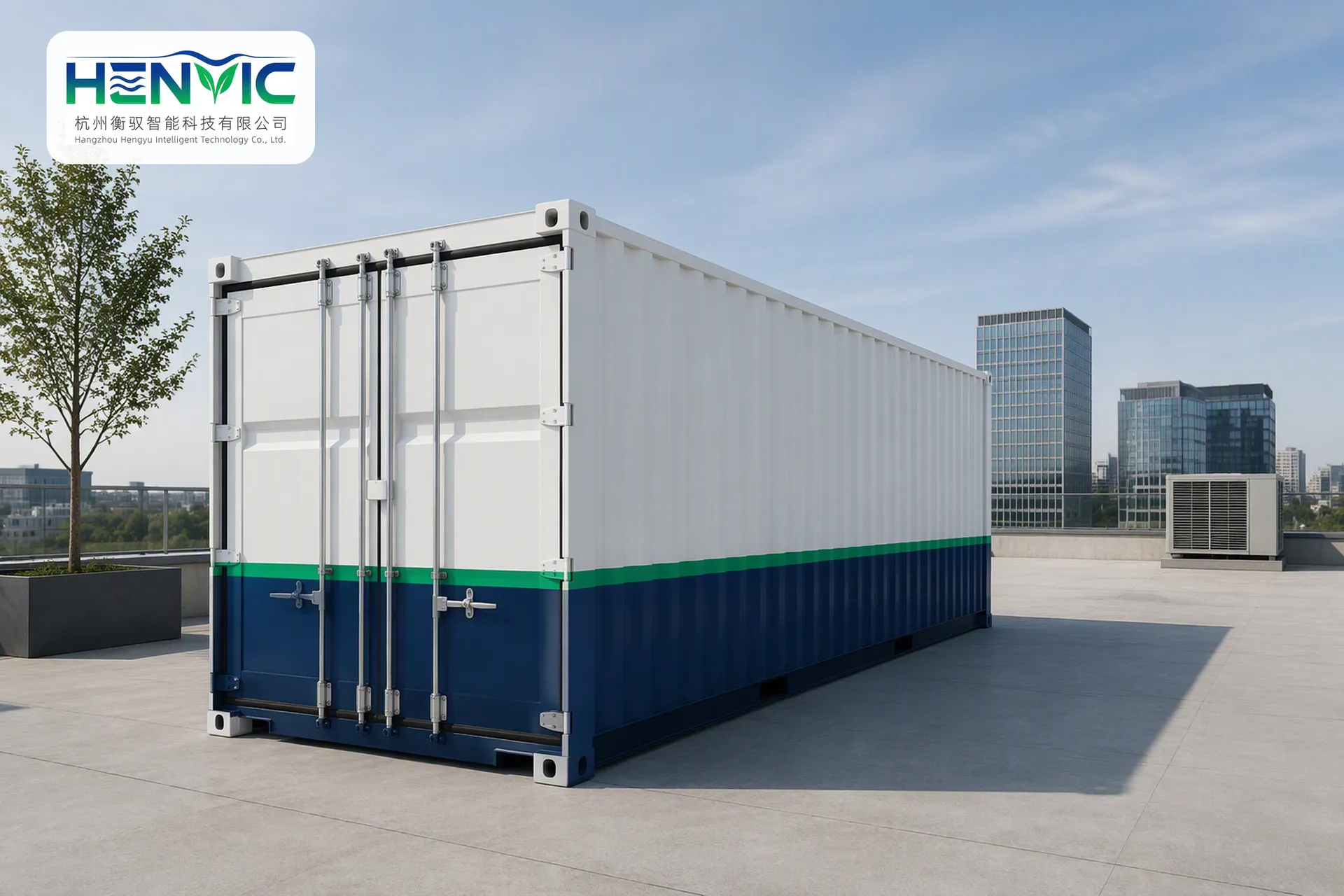
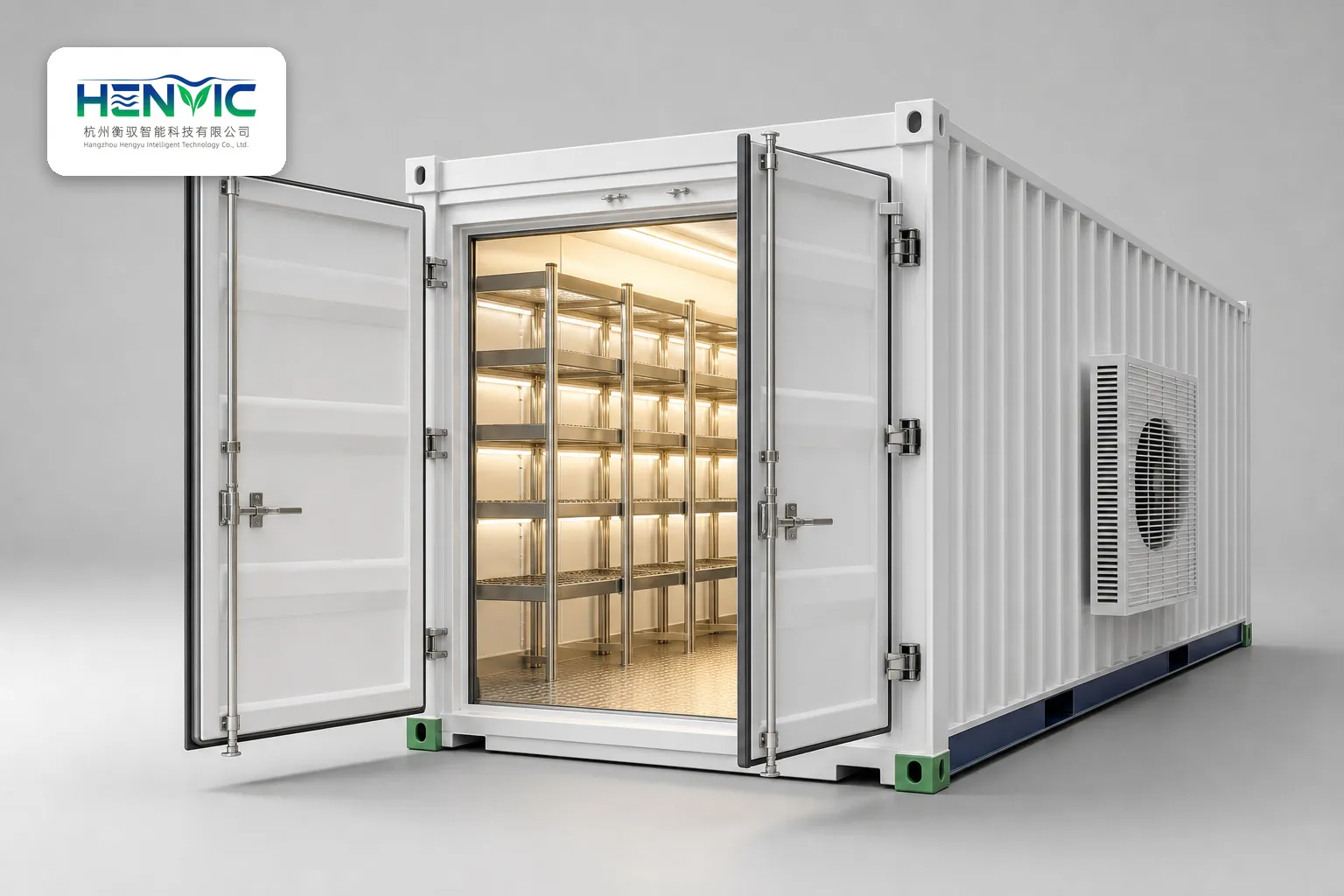
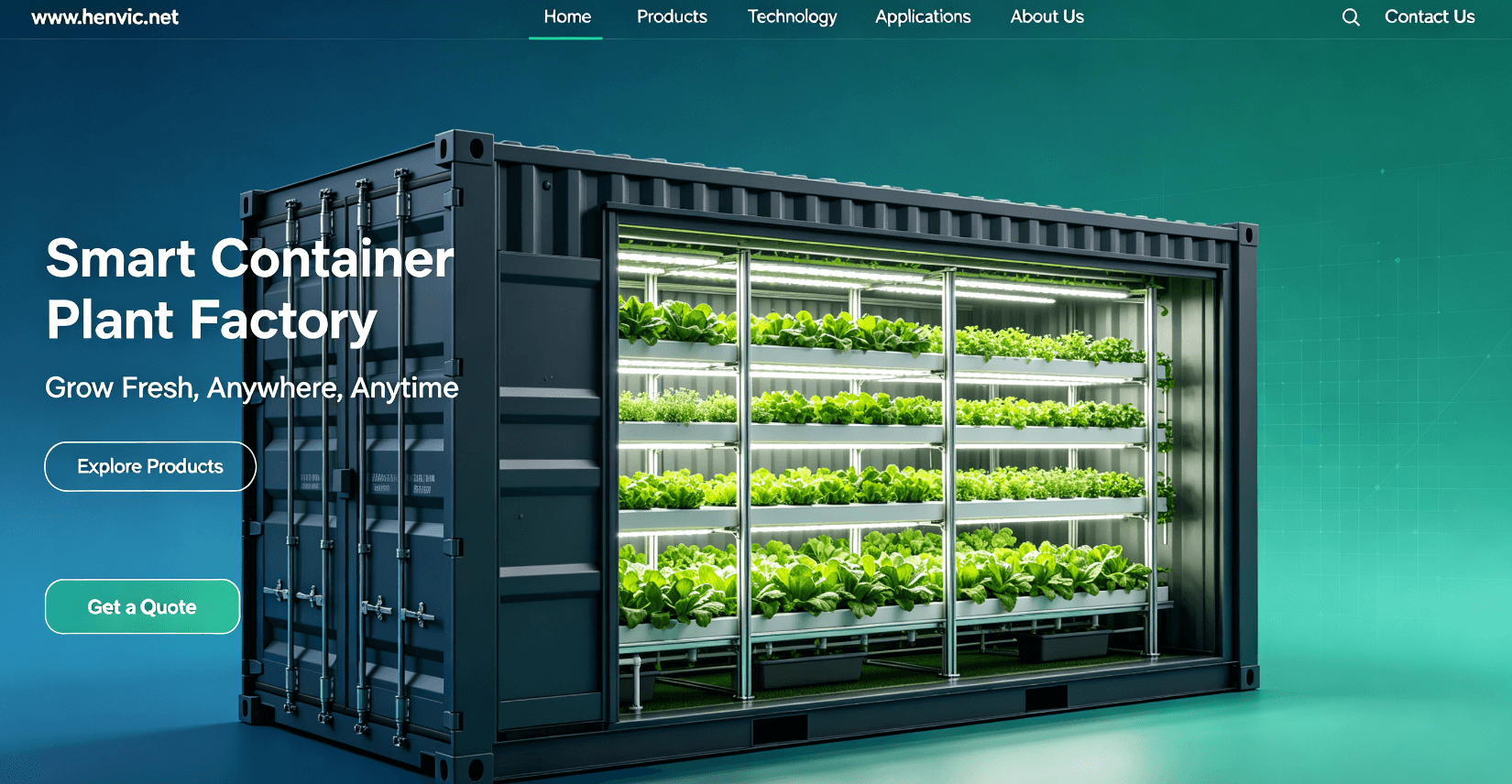
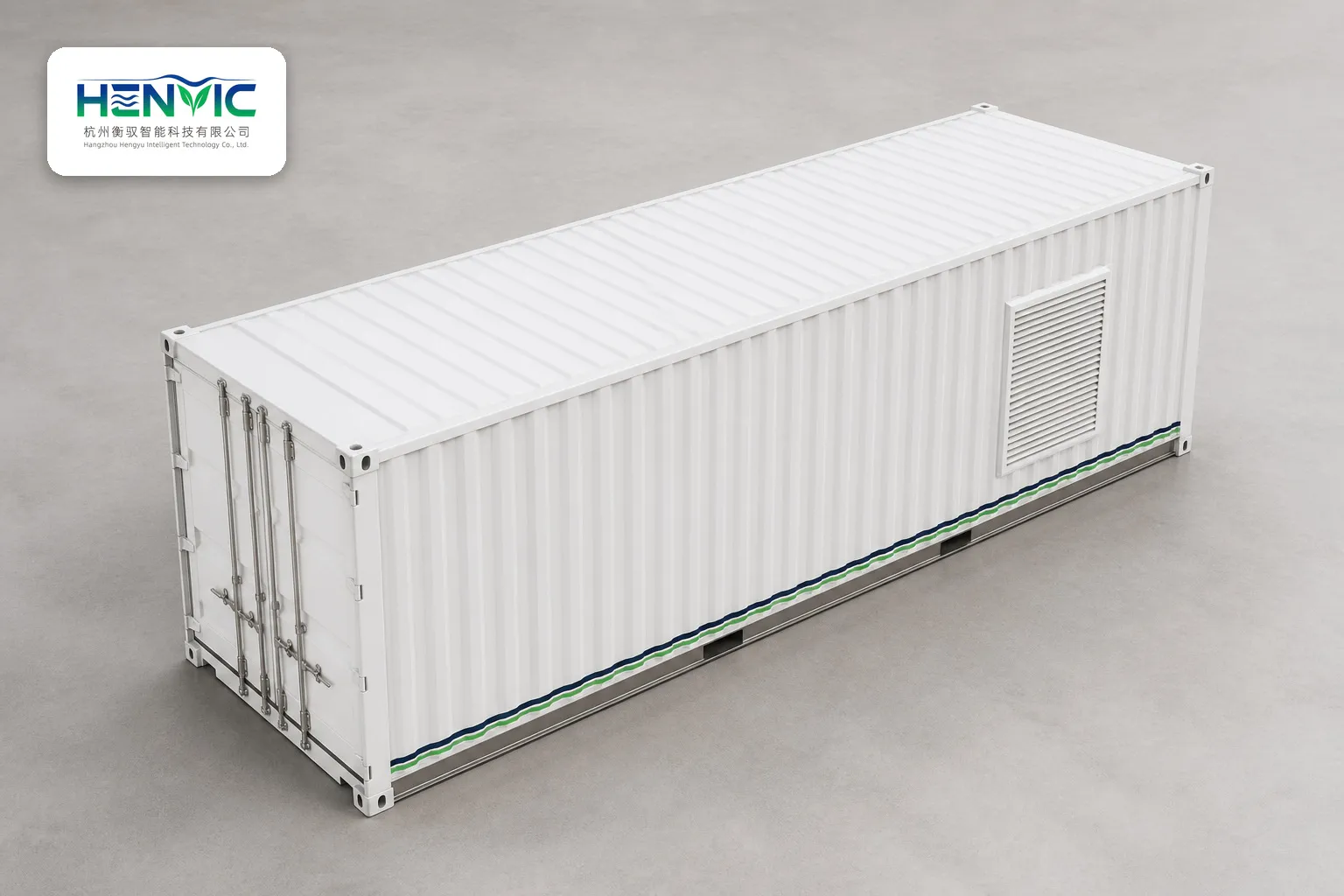
In modern controlled-environment agriculture, plant cultivation containers, also known as smart planting boxes or modular plant factories, have become an important carrier for precise crop production. One of their core technical features is the ability to automatically maintain optimal environmental conditions—especially temperature and humidity—which are two key factors affecting plant growth, development, and final yield and quality.
High temperatures in a container will accelerate water loss, inhibit photosynthesis, cause heat stress in plants, and even lead to leaf scorching and reduced production. Insufficient humidity, on the other hand, can cause wilting, slowed growth, and increased incidence of physiological disorders. Therefore, automatic cooling and humidification functions are essential for keeping the internal environment in an ideal state. This article describes in detail the working principles and implementation approaches of automatic cooling and humidification in plant cultivation containers.
2. Design Principles of the Environmental Control System
The automatic regulation of temperature and humidity in cultivation containers is not a single isolated operation, but rather a dynamic coupling of multiple subsystems. The overall design follows a three-part workflow: detection, decision-making, and execution.
2.1 Data Detection: High-precision sensors continuously collect internal temperature and humidity data, as well as real-time changes in light intensity, airflow, and other related factors.
2.2 Central Decision-Making: The intelligent control system, based on the set target parameters and growth requirements of different crops, calculates and determines the magnitude and duration of cooling or humidification required.
2.3 Device Execution: Corresponding equipment—such as cooling fans, water curtains, and humidifiers—is activated or adjusted accordingly to complete the environmental regulation process. The entire process runs automatically without manual intervention.
3. Implementation Methods ofAutomatic Cooling
The primary goal of automatic cooling is to remove excess heat from the container and maintain a stable temperature range, protecting plants from heat stress. The specific methods are as follows:
3.1 Ventilation and Heat Dissipation
Natural ventilation is the most basic method. When the temperature rises, the control system opens air vents and activates exhaust fans. The air inside the container is expelled, while cooler air from outside flows in, thereby reducing the temperature. In containers without natural ventilation, forced ventilation systems are equipped, where exhaust fans draw out hot air and intake fans bring in cool air, forming a forced airflow cycle to accelerate heat dissipation.
3.2 Water Curtain and Positive-Pressure Cooling
In high-temperature conditions, many cultivation containers operate a water curtain cooling system. Installed on one side of the container, the water curtain is made of corrugated paper with a large specific surface area. The pump circulates water to continuously wet the surface of the water curtain, and an exhaust fan generates negative pressure inside the container. Hot air passes through the wet water curtain, and the water evaporates and absorbs heat, rapidly lowering the air temperature before it enters the container. This approach not only cools but also adds moisture, achieving dual cooling and humidification effects.
3.3 Air Conditioning and Refrigeration Systems
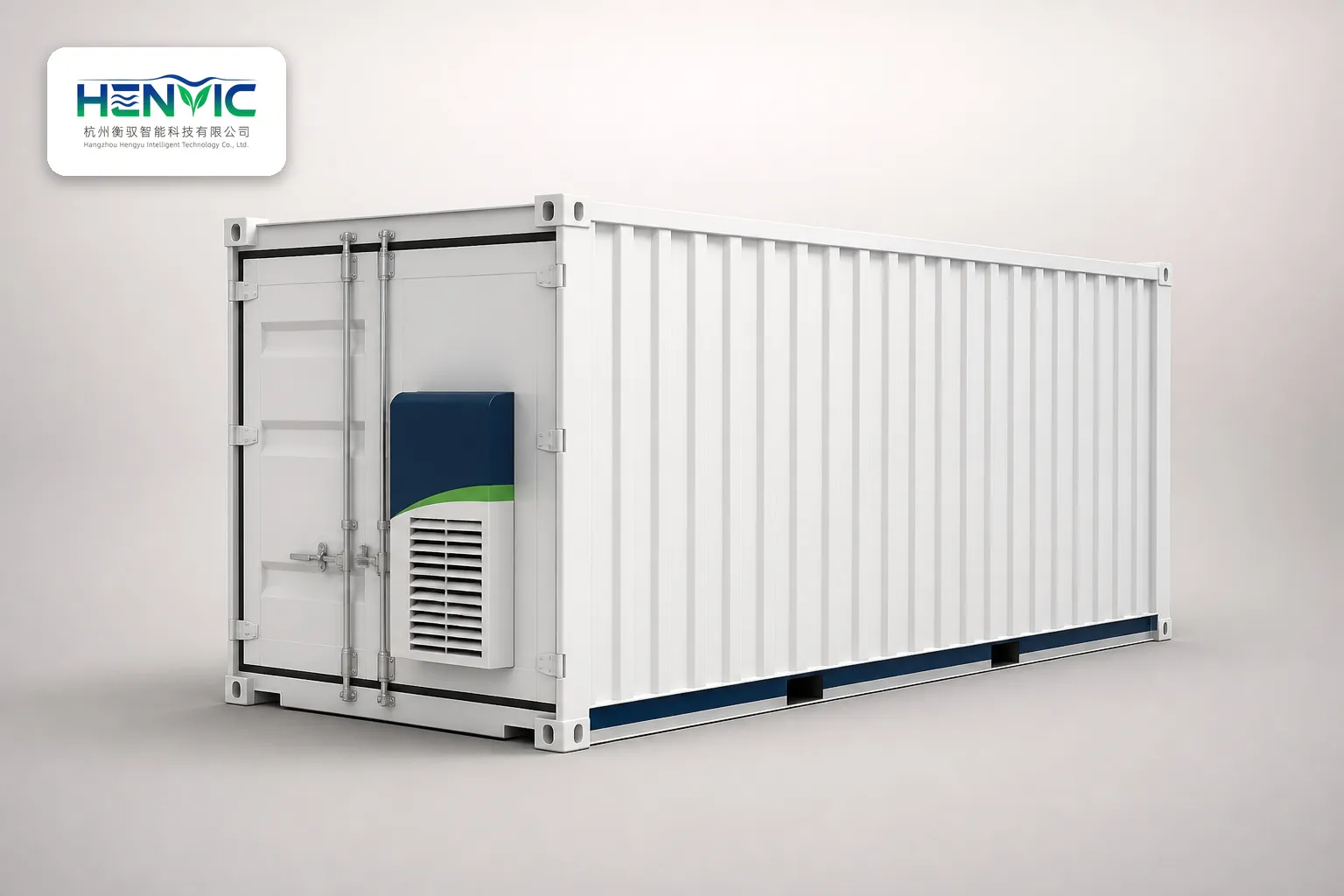
For large-scale or high-precision cultivation containers, integrated air conditioning or refrigeration compressor systems are used. These devices provide precise and rapid cooling through refrigerant circulation and heat exchange through evaporators, removing internal heat quickly. The control system automatically adjusts the cooling power based on temperature data, maintaining a stable set point and suitable for environments requiring high temperature precision.
4. Implementation Methods of Automatic Humidification
Plants continuously lose moisture through transpiration, especially under strong light and high temperatures. Therefore, automatic humidification must be used to keep the internal humidity at an appropriate level. Common humidification technologies include:
4.1 Ultrasonic Humidifiers
Ultrasonic humidifiers are widely used in cultivation containers. They generate high-frequency vibrations using ultrasonic wave technology, breaking water into tiny droplets. These tiny droplets are then carried by fans into the air to increase humidity. The control system activates the device when sensors detect a humidity drop, stopping it automatically when the target is reached. This method is characterized by rapid humidification, low energy consumption, and even moisture distribution.
4.2 High-Pressure Micro-Mist Humidification
This technique uses a high-pressure pump to atomize water into tiny mist particles and spray them into the container. The mist remains suspended in the air for a long time, gradually raising humidity and avoiding excessive wetting of plants or the floor. The system automatically adjusts spray volume according to humidity settings, suitable for containers requiring continuous and precise humidification.
4.3 Water Curtain Humidification
As described earlier in the cooling section, the water curtain also serves a humidification function. While hot air passes through the wet water curtain, evaporation increases both the amount of moisture in the air and the humidity of the environment inside the container. This integrated approach improves equipment efficiency and reduces the need for individual humidification systems.
4.4 Cooperative Humidification of Airflow and Water Supply
In some containers, atomizers and air circulation systems work together to speed up humidification. Water droplets are carried by circulating air to all parts of the container, eliminating local humidity differences and ensuring uniform environmental distribution.
5. Intelligent Coordination and Closed-Loop Control Strategies
Automatic control of cooling and humidification is achieved through intelligent closed-loop regulation:
- Parameter Settings: Users preset target temperature and humidity according to crop type and growth stage.
- Real-time Compensation: When the measured value deviates from the target, the system activates the corresponding device. For example, if temperature and humidity both exceed the threshold, water curtain cooling and humidification start simultaneously.
- Data Feedback and Optimization: The system records historical environmental data, adjusts control models, and improves accuracy and energy efficiency over time.
6. Summary
The automatic cooling and humidification functions of plant cultivation containers are realized through the tight integration of sensors, intelligent control systems, and execution equipment. Whether through ventilation and water curtains, refrigeration systems, ultrasonic or high-pressure mist humidification, the ultimate goal is to establish a stable, suitable microclimate, ensuring consistent and high-quality plant growth regardless of external weather conditions. These technologies not only improve production efficiency and crop quality, but also pave the way for intelligent development in modern agriculture.