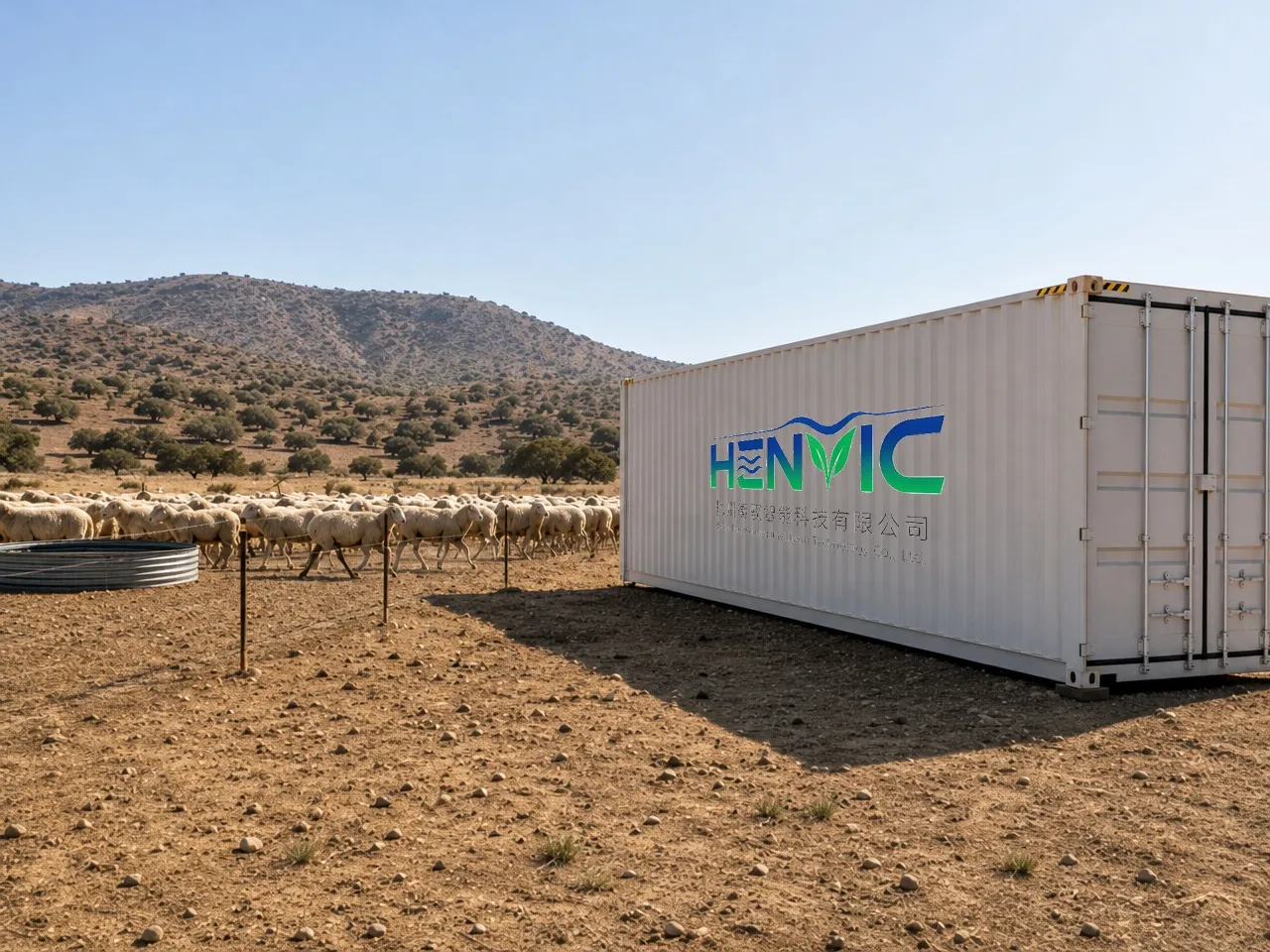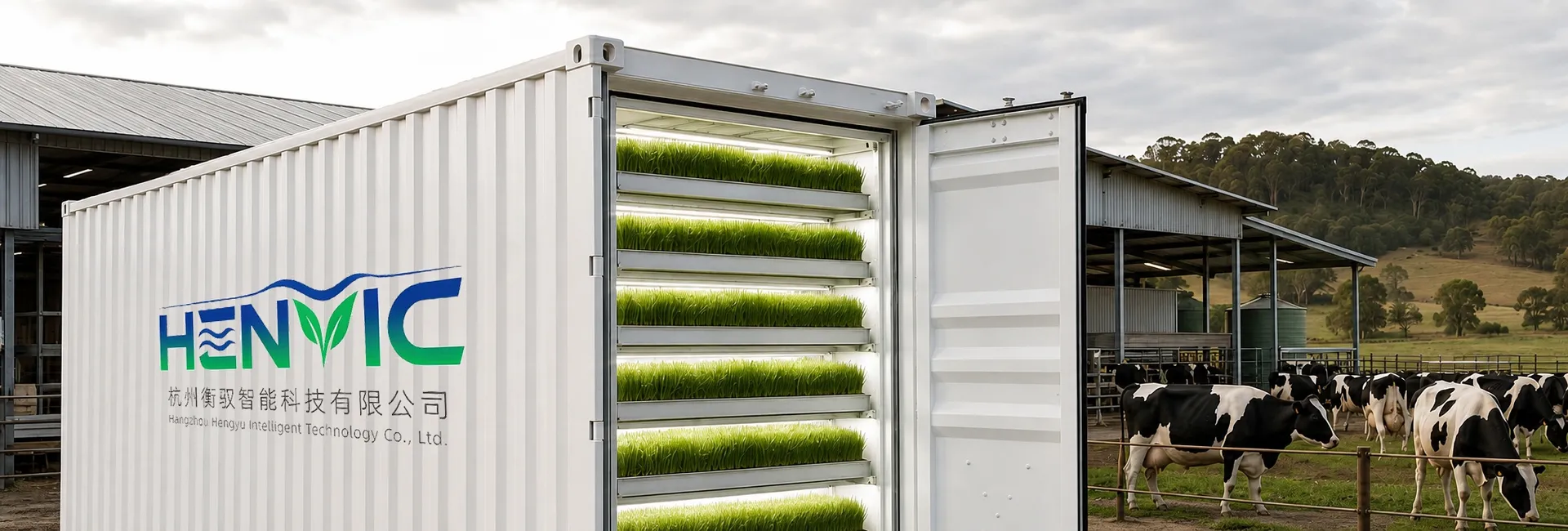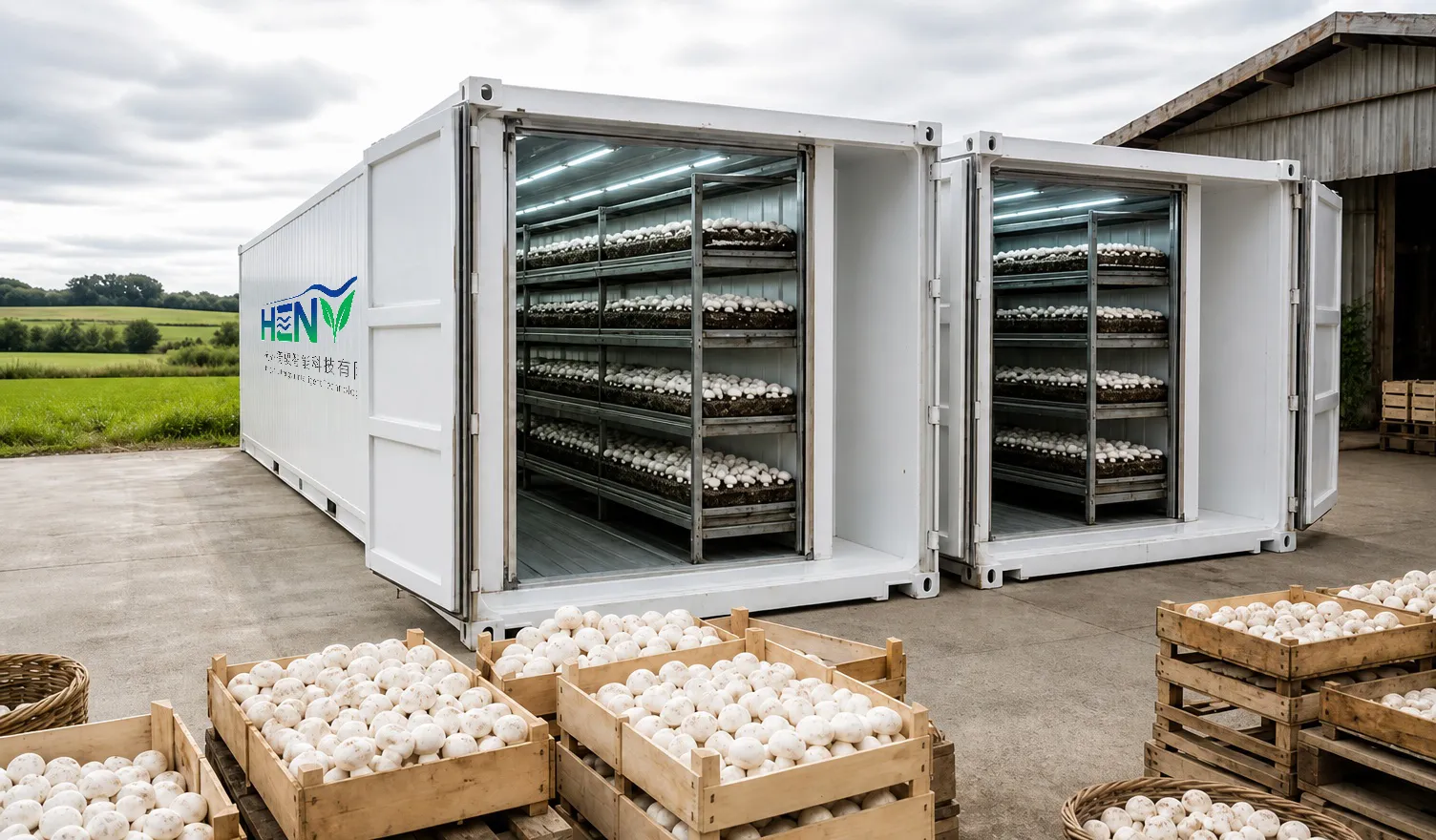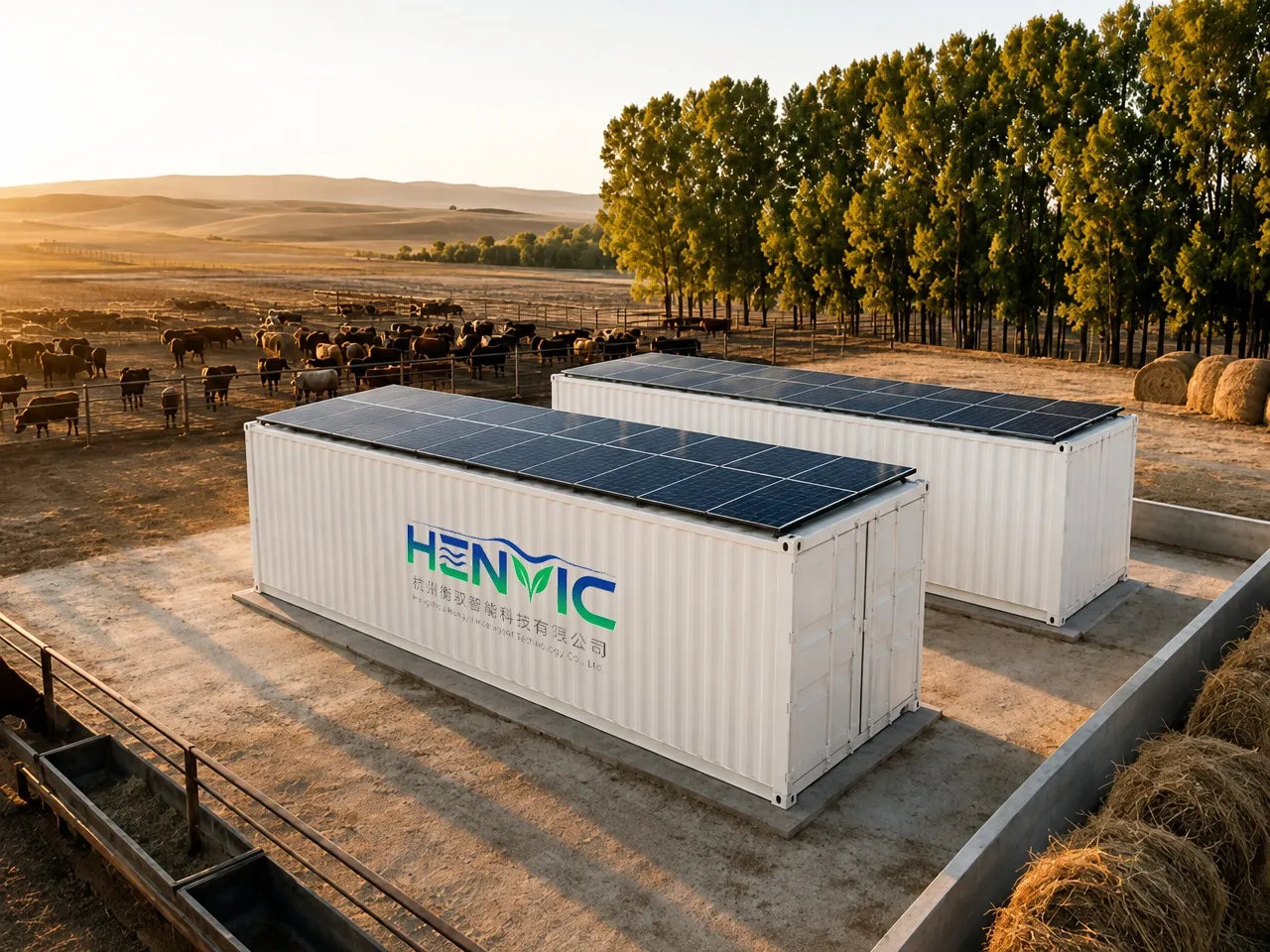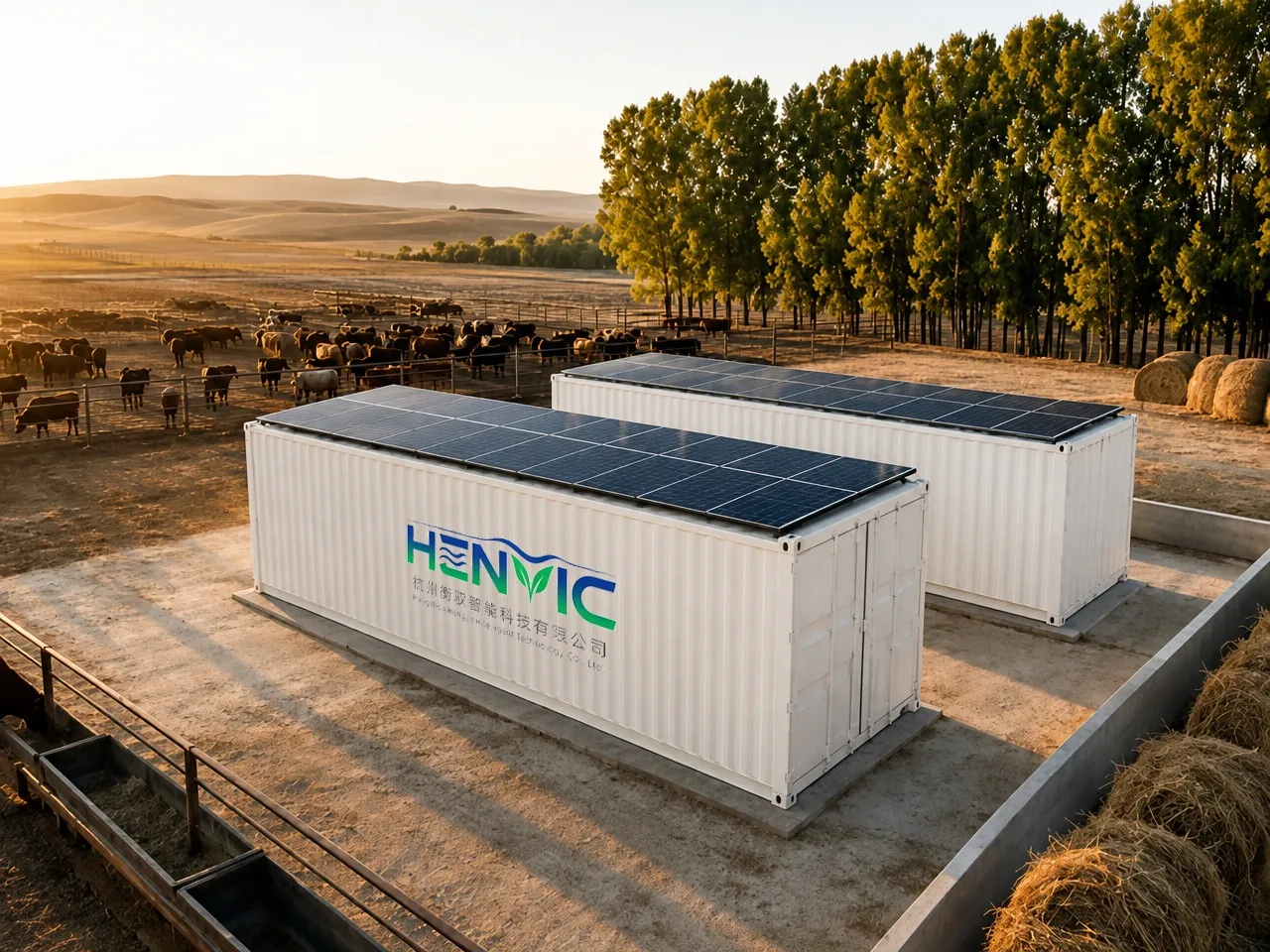
A greenhouse and a shipping container have almost nothing in common — one is a glass shell open to the sky, the other a corrugated steel box built to survive stacked cargo at sea. Yet the container farm is precisely an attempt to compress everything a greenhouse does — light, warmth, humidity, nutrition, airflow, and the entire growing cycle — into forty feet of steel. The result is not a smaller greenhouse. It is a different machine with a different logic, and understanding the difference is the key to understanding both its promise and its limits.
Why put a greenhouse in a box
The impulse behind container farms is not agricultural but logistical. A conventional greenhouse depends on a site: it needs land, sunlight, water, and proximity to markets. A container farm depends only on a power supply and a flat surface. It can be dropped onto a parking lot, a rooftop, a desert camp, a polar station, or a construction site. It can be stacked, relocated, and replicated without rebuilding from the ground up.
That portability turns a fixed asset into a deployable product. Standard shipping dimensions mean standard handling equipment; standard power and water interfaces mean standardized installation. What was once a bespoke construction project becomes something closer to an appliance. This is the same shift that turned computing from mainframes into servers and then into containers — and the metaphor is deliberate, because the ambition is the same: modularity, reproducibility, and scale through replication rather than size.
What actually goes inside
Compressing a greenhouse into a steel box requires rebuilding its every function artificially.
Light is the first substitution. Sunlight is replaced by LED arrays with spectra tuned to photosynthesis — deep red and blue dominant, with additional channels to influence morphology, flavor, and secondary metabolites. Lighting is the largest electrical load in most container farms, and spectrum recipes are often treated as proprietary know-how rather than mere hardware settings.
Climate is fully engineered. Temperature, humidity, CO₂ concentration, and air movement are held within tight tolerances, decoupled entirely from the weather outside. The sealed envelope means the external environment becomes irrelevant — a 45 °C desert afternoon and a -40 °C polar night both resolve to the same internal conditions.
Root nutrition is delivered through recirculating hydroponics or aeroponics. Soil is eliminated along with its pathogens, weeds, and variability; water use can fall by 90 percent or more compared with field agriculture because transpiration is captured and returned. Aeroponics, which suspends roots in a mist chamber, achieves the highest oxygen availability and yield potential but demands the finest filtration and the most careful maintenance.
Air control is the hidden system. Plants consume CO₂ and release oxygen and water vapor; in a sealed box, those exchanges must be actively managed. Ventilation, dehumidification, and CO₂ dosing are as critical as lighting, and their failure modes — condensation, mold, leaf burn — appear quickly in an enclosed volume.
Automation holds the whole assembly together. Sensors for temperature, humidity, EC, pH, and CO₂ feed a controller that adjusts lighting, irrigation, and climate in real time. Remote monitoring lets one operator supervise multiple units, which is what makes container farms scalable in operation even though each unit is small.
A greenhouse in a box — or something else entirely?
The comparison to a greenhouse is useful but incomplete. A glass greenhouse is a light-transparent, climate-modifying structure: it leverages free sunlight and modifies a naturally favorable environment. A container farm is a light-free, climate-creating structure: it manufactures conditions from nothing.
This difference drives every trade-off. A greenhouse is capital-cheap to operate but site-dependent and seasonally variable; a container farm is energy-intensive but location-independent and fully predictable. A greenhouse benefits from free photons; a container farm pays for every one of them in electricity. That single fact explains why container farms concentrate on high-value, fast-turnover crops — leafy greens, herbs, microgreens — where the premium justifies the power bill, and not on wheat, rice, or potatoes, where it never will.
Where container farms fit
The strongest cases are places where conventional supply chains fail or cost too much. Remote islands face weekly or monthly shipments, high spoilage, and freight premiums that can exceed the farm-gate price of the produce several times over. Polar research stations go months without fresh food and treat greens as a morale technology as much as a nutritional one. Desert camps and mining sites import everything. Urban areas pay for freshness in emissions and cold-chain cost.
In each case, the container farm's value is not measured in the cost of the lettuce it grows but in the cost avoided: freight, spoilage, waste, and the health and morale consequences of poor-quality fresh food. Against that baseline, its high capital and energy costs become competitive — not because the farm is cheap, but because the alternative is worse.
The constraints that remain
It would be dishonest to present the container farm as a general solution to food production. Four hard limits stand out.
Energy intensity is the first. The sealed envelope that protects against weather also traps heat, and all light and climate regulation comes from electricity. Unless the power supply is cheap and low-carbon, the environmental case weakens considerably.
Capital cost is the second. A functioning container farm costs far more per square meter of growing area than a greenhouse, and the payback period depends on premium pricing for its output. It is a business model that works for high-value crops in specific markets, not a universal one.
Crop range is the third. Plant height, root volume, and light requirements constrain what can be grown. Leafy greens and herbs thrive; fruiting crops such as tomatoes, peppers, and strawberries are possible but mechanically awkward; staple grains are out of reach.
Technical dependence is the fourth. Container farms require reliable power, spare parts, and expertise to maintain. In the very remote locations where they are most valuable, those inputs are themselves hard to guarantee.
From novelty to infrastructure
The early years of container farms were dominated by demonstration and spectacle — a symbol of agricultural futurism more than a working economic proposition. That phase is ending. Costs are falling as LEDs, sensors, and controllers improve in efficiency and price. Automation is reducing the labor requirement that once made small units uneconomic. Standardization is lowering the barrier to deployment. And the growing pressure on fresh-food supply chains in cities, in extreme environments, and in disaster response keeps expanding the set of places where the economics work.
The most likely future for container farms is not the replacement of traditional agriculture. It is the creation of a new category: a standardized, deployable produce supply module for the specific situations where distance, climate, or fragility make conventional supply chains expensive or unreliable. In those places, the question is no longer whether fresh food can be delivered — it is whether fresh food can be grown. And increasingly, the answer arrives in a forty-foot steel box.
The container farm, in the end, is less a farm than a piece of infrastructure: a way of relocating the growing environment to wherever the eater happens to be. That is a genuinely new capability. Whether it becomes a widespread one depends not on whether the technology works — it does — but on whether the energy, capital, and crop economics can be made to line up in enough places to matter.