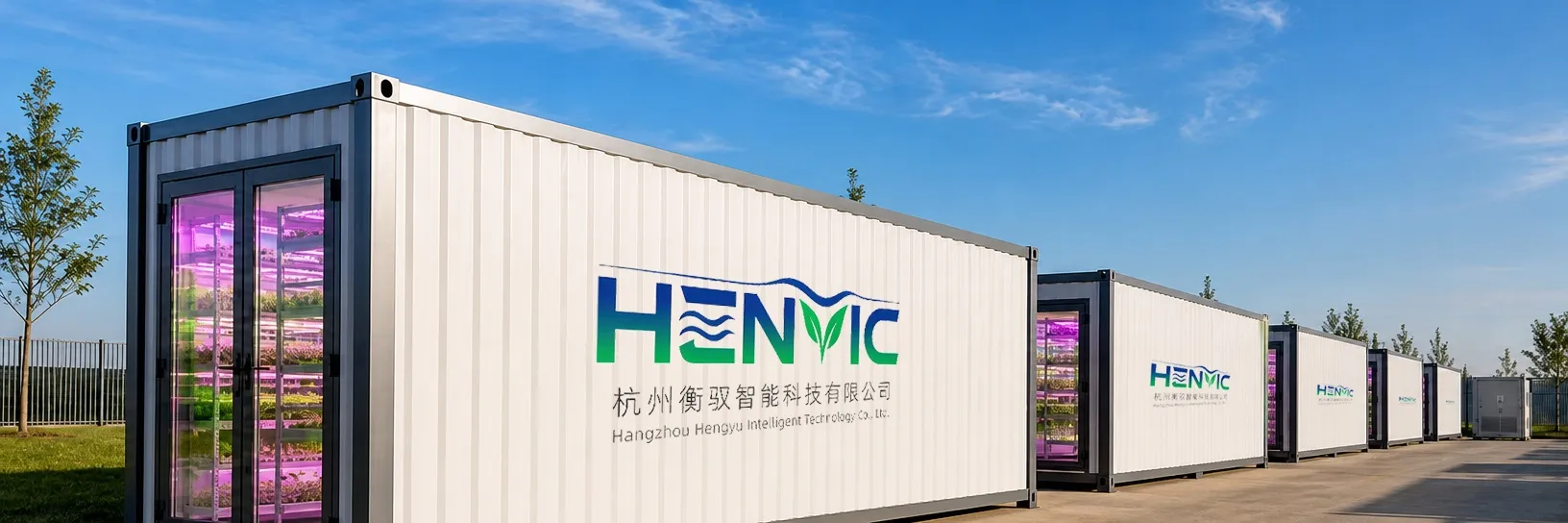
A plant cultivation chamber is an enclosed growing environment in which every variable that affects plant performance—light, temperature, humidity, carbon dioxide concentration, air movement, and nutrient supply—is precisely regulated. It is the logical endpoint of controlled-environment agriculture (CEA), combining plant physiology, engineering, and informatics into a single system. Born from the phytotrons of the early twentieth century, the modern chamber has evolved into a versatile platform whose applications now span agricultural research, space exploration, biopharmaceutical production, and urban food systems. This article surveys the core technologies that define such chambers and the fields they now serve.
Core Technologies of Cultivation Chambers
1. Environmental Control Systems
The defining feature of a cultivation chamber is its ability to hold a stable, predetermined climate. Arrays of sensors monitor air temperature, relative humidity, CO2 concentration, airflow speed and direction, and root-zone conditions, feeding data into control loops that actuate heating, cooling, dehumidification, humidification, and ventilation. Typical growing conditions are maintained within 18–30 °C, 60–85% relative humidity, and CO2 levels enriched to two or three times atmospheric concentration—a practice called CO2 fertilization that materially raises photosynthetic rates and dry-matter accumulation. Air circulation is carefully engineered to eliminate microclimates around leaves and to supply fresh CO2 to the canopy without excessive desiccation.
2. Precision Lighting
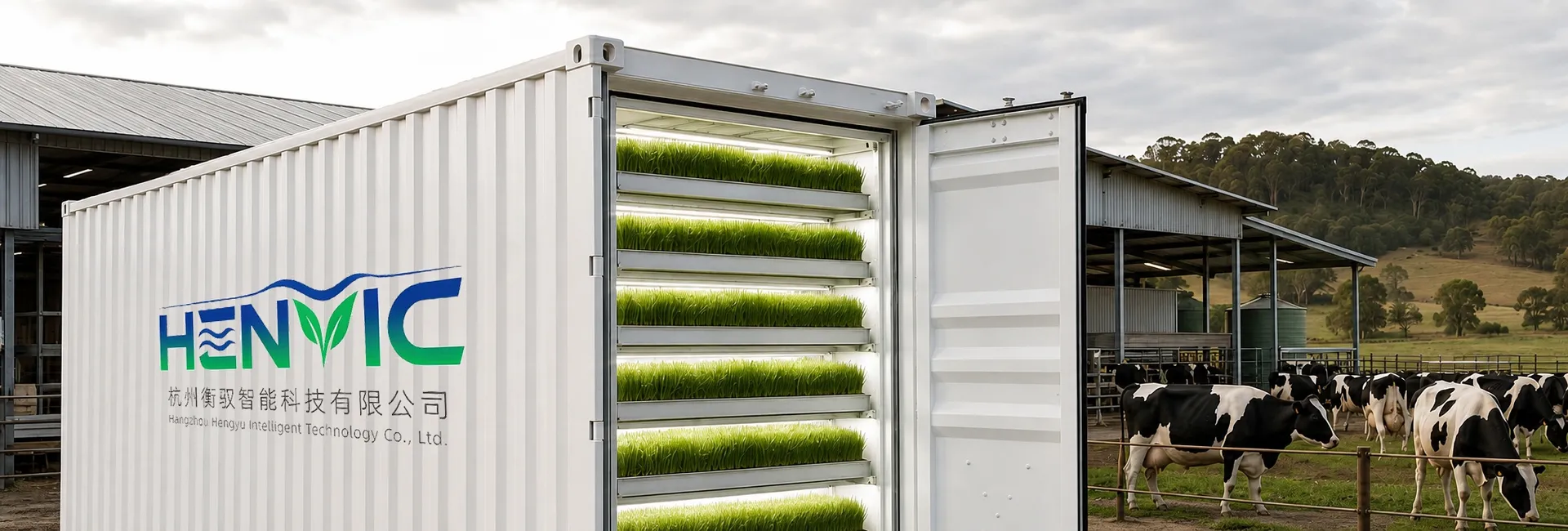
Light is both the energy source and a developmental signal for plants, and modern chambers treat it as a programmable parameter. Light-emitting diode (LED) arrays replaced fluorescent and high-pressure sodium lamps because they are electrically efficient, long-lived, and capable of delivering arbitrary spectral combinations. Growers compose "light recipes" that blend red, blue, green, and far-red wavelengths to optimize photosynthesis, morphology, and nutritional content: blue light restrains stem elongation and promotes compact growth, while red light maximizes biomass accumulation. Photoperiod—typically 16 hours of light and 8 hours of darkness—is used to steer flowering in photosensitive species. Luminous intensity, spectral composition, and daily light integral (DLI) can be adjusted across growth stages, allowing one chamber to rear seedlings and mature fruiting crops.
3. Nutrient and Water Management
Soil is replaced by soilless systems in nearly all serious cultivation chambers. Hydroponics delivers a formulated nutrient solution directly to the root zone, while aeroponics—originally developed for space applications—atomizes a fine mist of nutrients onto suspended roots. Aeroponics offers superior oxygenation of root tissues and can yield significantly greater biomass per unit of nutrient solution than either soil or deep-water culture. In either mode, sensors continuously measure electrical conductivity (EC), pH, dissolved oxygen, and nutrient temperature; dosing pumps automatically replenish water and adjust the formulation to compensate for plant uptake and transpiration. Closed-loop recirculation minimizes water consumption and eliminates nutrient runoff.
4. Automation, IoT, and Artificial Intelligence
Contemporary chambers are cyber-physical systems. Internet-of-Things (IoT) sensor networks stream environmental and substrate data to cloud platforms; computer-vision systems inspect leaf color, area, and posture to detect nutrient stress or disease; and machine-learning models trained on historical crops predict growth trajectories, yield, and energy demand. These models close the loop, commanding actuators that adjust lighting schedules, irrigation bouts, and climate set-points. As a result, chamber management shifts from empiricism to data-driven automation, allowing one operator to manage many units and enabling reproducible, round-the-clock production.
Key Applications
Agricultural Research. Cultivation chambers are the workhorse of plant science. Controlled, reproducible environments allow researchers to attribute observed phenotypes to single variables, making chambers essential for functional genomics, mutant screening, and crop improvement. Arabidopsis thaliana, the model organism of plant biology, has been studied in chambers for decades. In breeding, precise control of temperature and photoperiod compresses generation times; some species can completetheir life cycle multiple times per year, sharply compressing the breeding pipeline. Speed-breeding protocols that pair extended photoperiods with tightly controlled temperature now deliver four to six generations annually in wheat and other cereals, turning a selection program that once took a decade into a matter of a few years. Chambers likewise underpin seed-quality testing, germination physiology, and post-harvest studies.
Space Exploration. Cultivation chambers are indispensable to long-duration human spaceflight, where resupply is impossible and fresh produce is both a nutritional and a psychological necessity. NASA's Veggie and Advanced Plant Habitat aboard the International Space Station have produced lettuce, radishes, and chile peppers in orbit, while China's Wentian experiment module has conducted space cultivation and mechanistic studies of rice and Arabidopsis. The longer-term objective is a bioregenerative life support system (BLSS) that recycles carbon, water, and nutrients to supply food and oxygen—an enabling technology for lunar outposts and crewed Mars missions.
Pharmaceuticals and High-Value Compounds. Chambers allow medicinal species such as Taxus (the source of paclitaxel) and Artemisia annua (the source of artemisinin) to be grown free of pesticides and heavy-metal contamination, with metabolite content held within narrow, verifiable limits. In plant molecular farming, transgenic or transiently transformed plants serve as bioreactors that express vaccine antigens, antibodies, and therapeutic proteins, decoupling pharmaceutical production from field seasons and geography.
Urban and Specialty Agriculture. Vertical farms scale the chamber principle into multi-storey, artificially lit production systems, and cities such as Singapore, Tokyo, and Abu Dhabi use them to buffer vegetable supply against import dependence and climate risk. The same hardware supports Antarctic and polar research stations, disaster-relief food production, conservation programs for endangered flora, and hands-on botanical education.
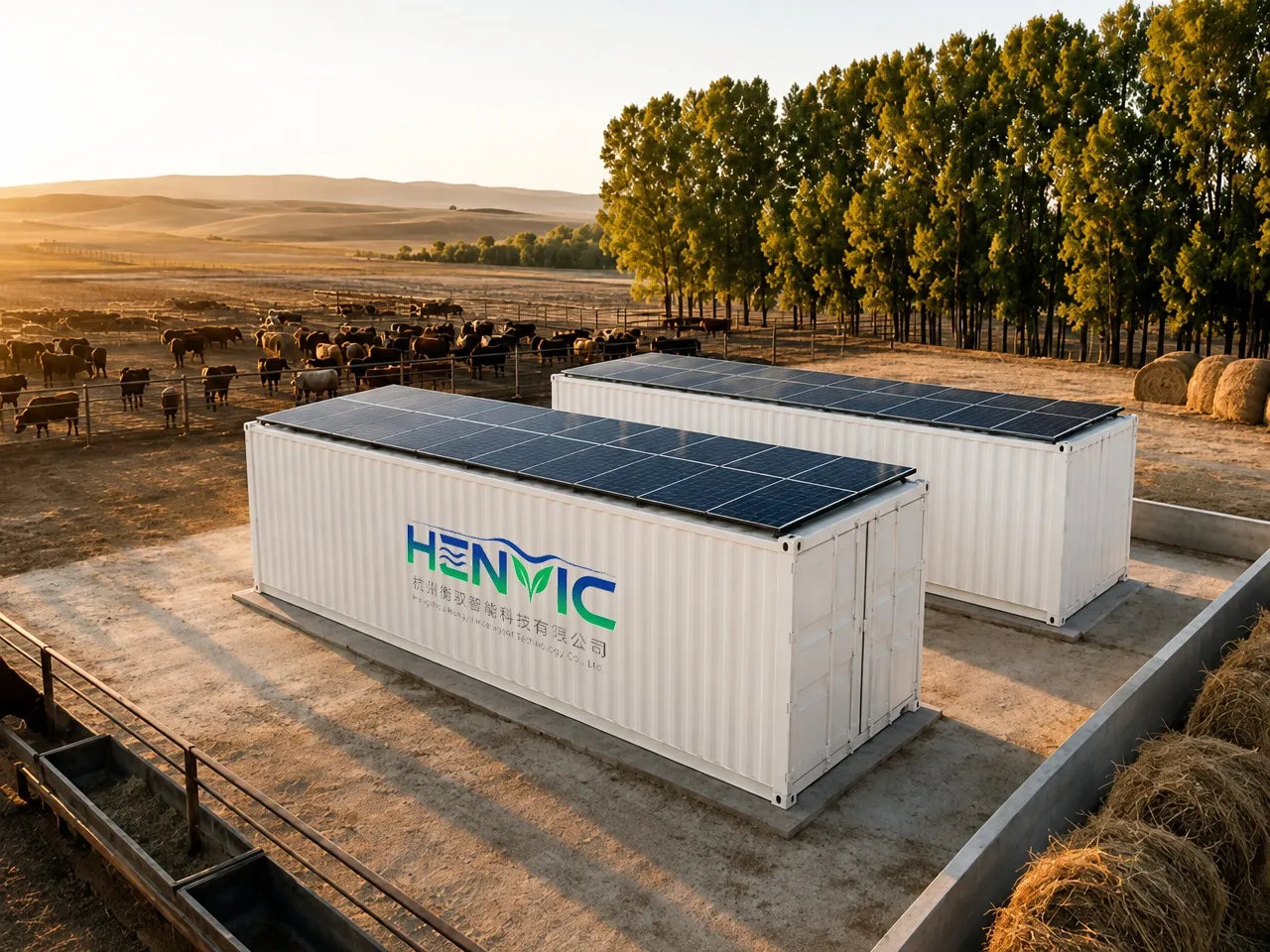
Challenges and Outlook. Energy remains the binding constraint: lighting and climate control dominate operating costs, which is why chamber economics improve markedly when coupled with photovoltaic or wind generation and when crop varieties and light recipes are optimized for yield per kilowatt-hour. Capital intensity, the limited number of commercially validated crop cultivars, and the absence of uniform technical standards for chamber modules are further barriers. Progress on each front is nonetheless accelerating, driven by falling LED and sensor prices, increasingly capable AI models of plant–environment interaction, and modular, container-based designs that shorten deployment. Taken together, these trends position the plant cultivation chamber not as a niche laboratory instrument but as shared infrastructure at the intersection of industrialized agriculture and the life sciences—one that will continue to create value in food security, deep-space habitation, and biomanufacturing.