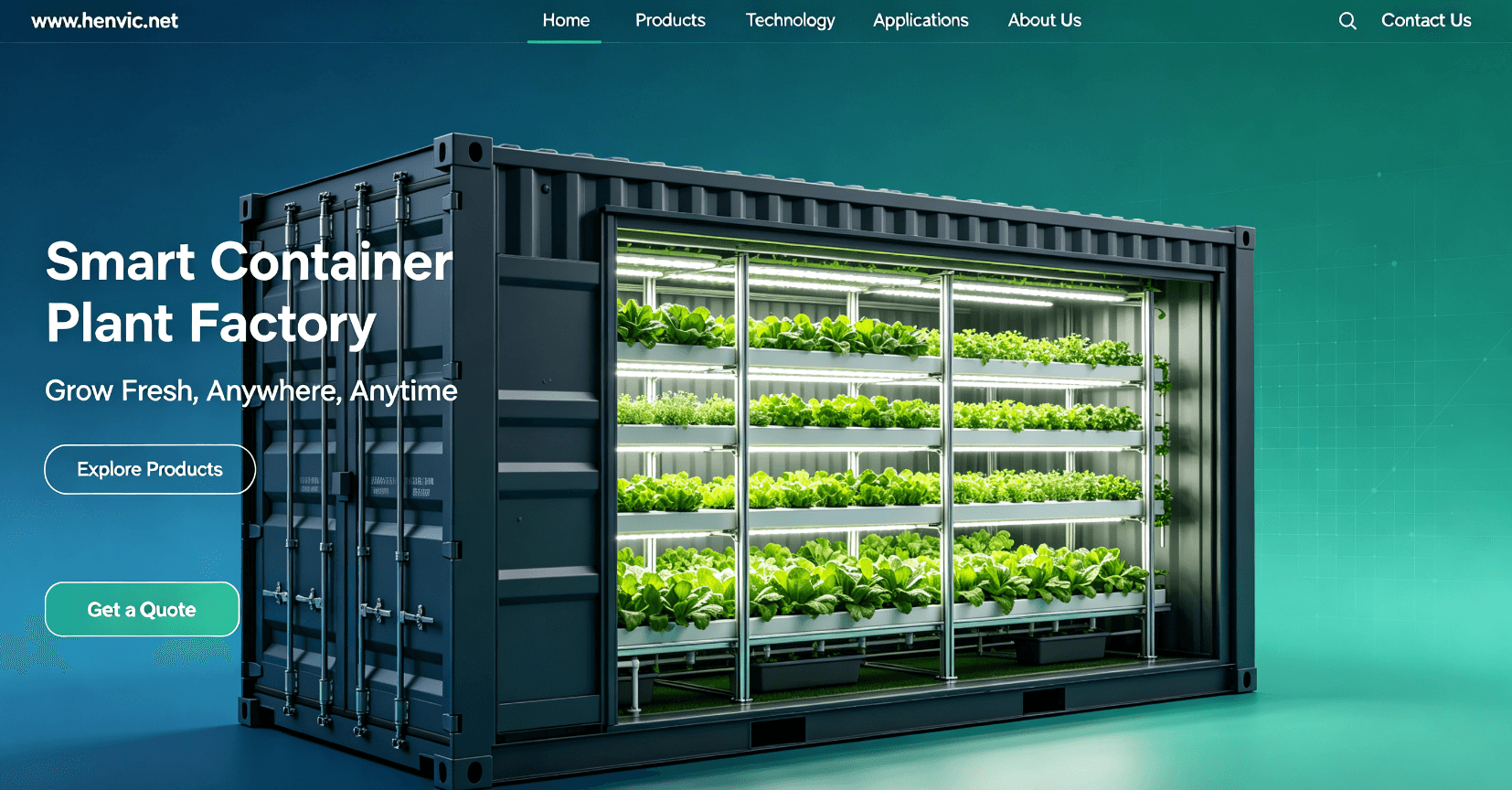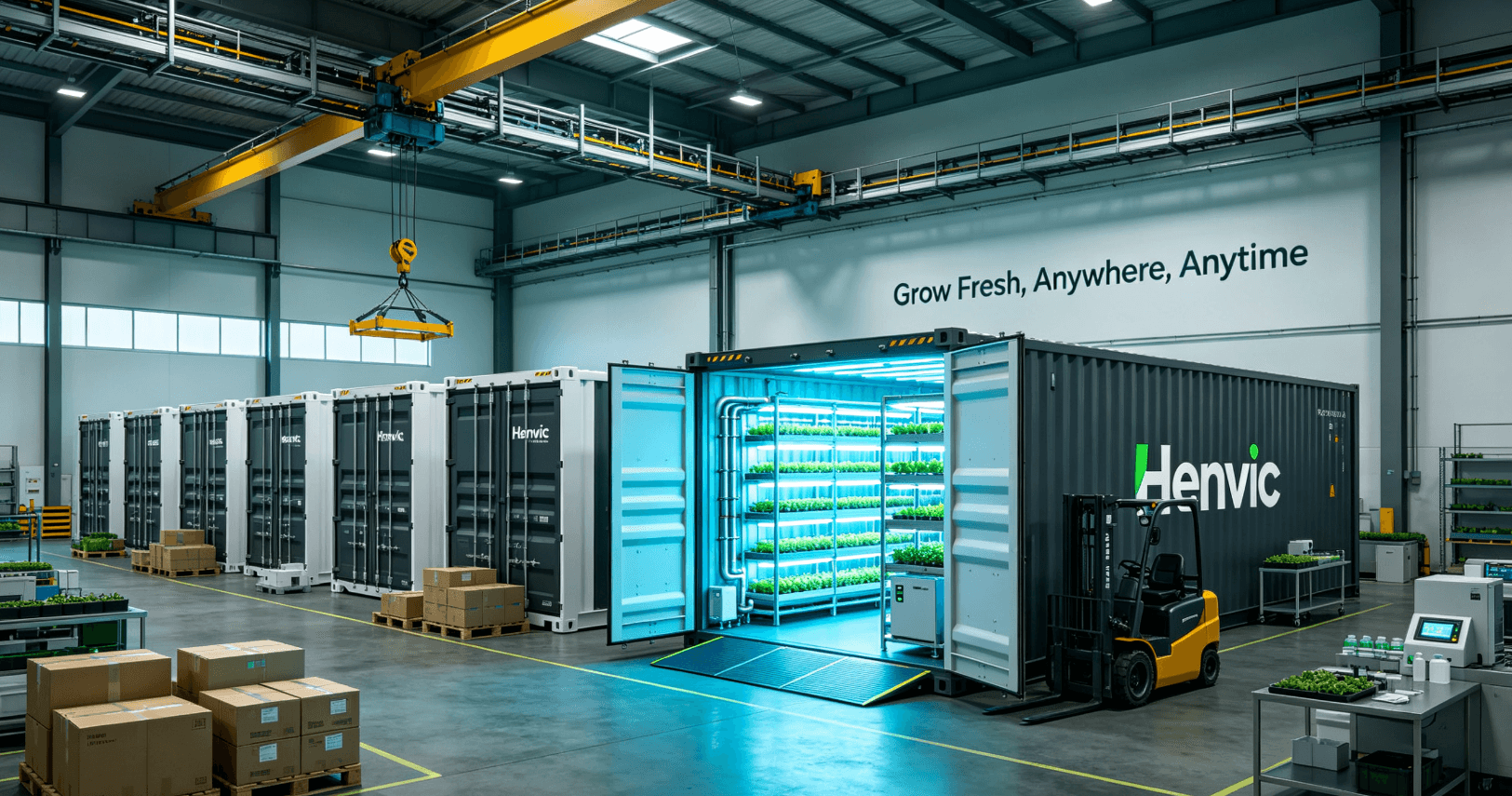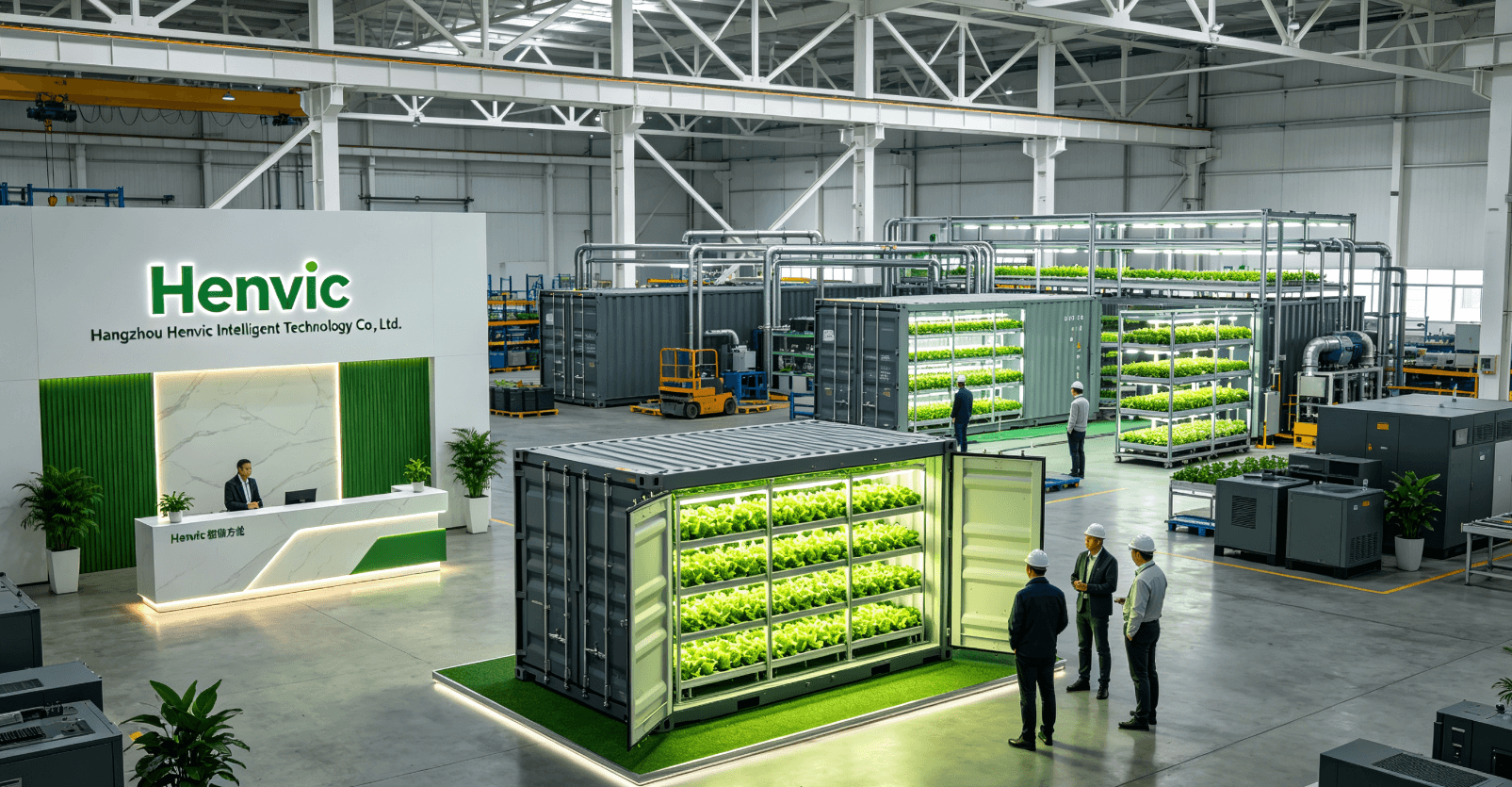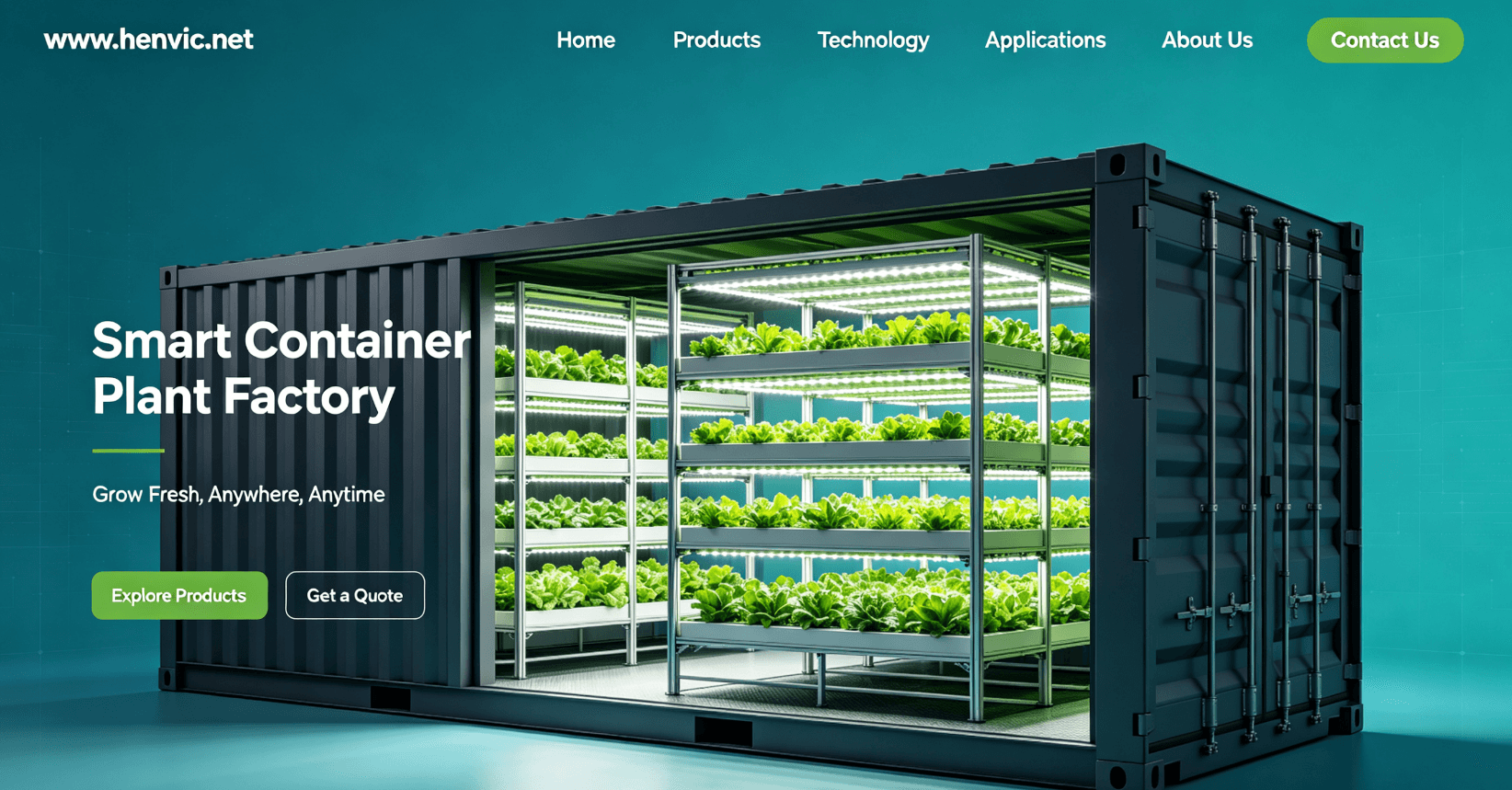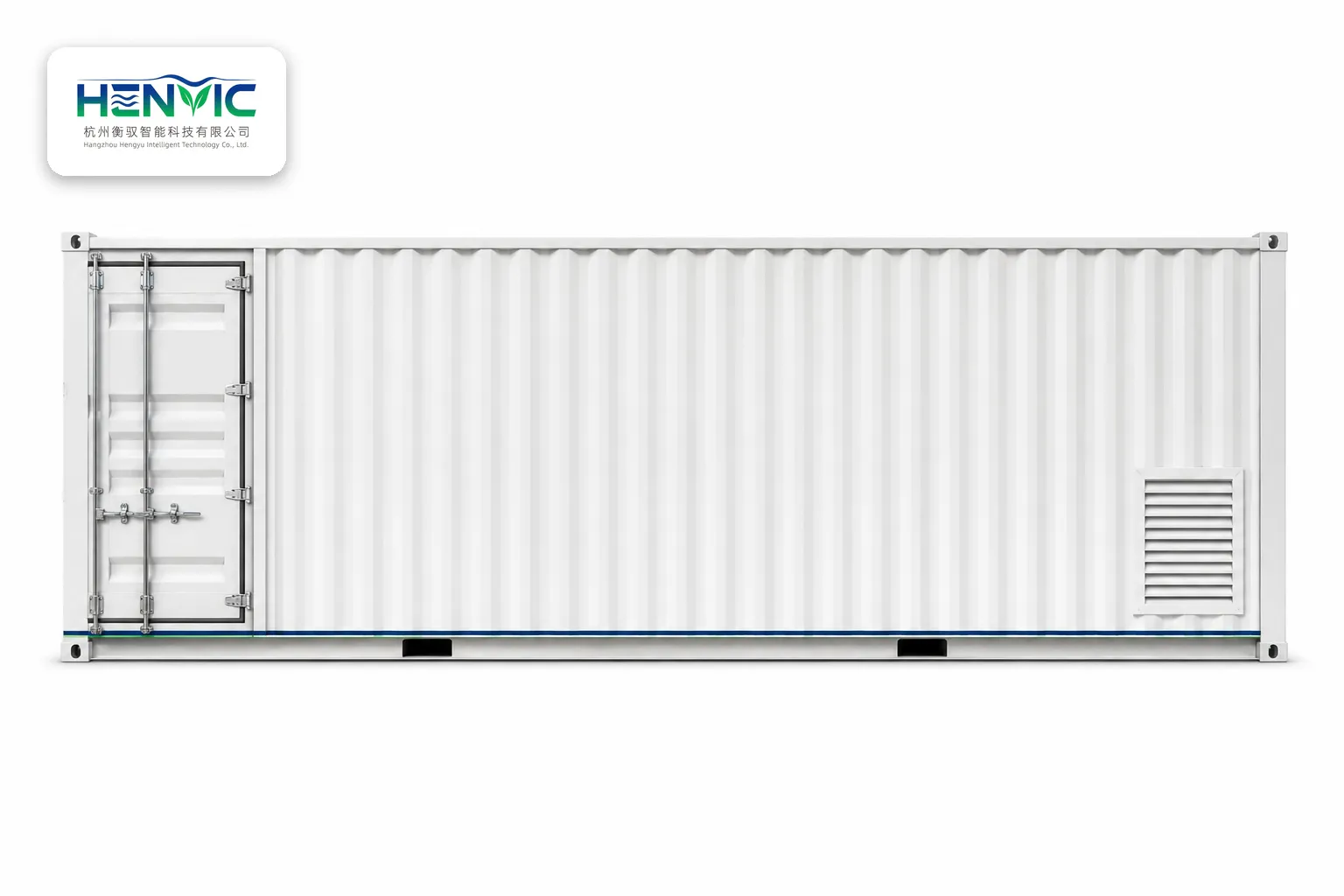
Leafy greens, including lettuce, baby spinach, bok choy, and kale, possess a short growth cycle and high nutritional density, rendering them ideal crops for modern container farming. As the demands of modern agriculture, urban food security, and sustainable resource utilization continue to grow, container-based cultivation of leafy vegetables has emerged as a practical agricultural model. The equipment fully integrates climate control, hydroponics, and intelligent management systems, establishing an enclosed, highly efficient growth environment. The fundamental principles of leafy green container cultivation act as the cornerstone of its success, comprehensively driving a transformation in agricultural production.
1. Closed-loop Environmental Simulation Principle
Leafy greens possess specific temperature, humidity, light, and ventilation requirements to maintain vigorous vegetative growth. In conventional open-field cultivation, unstable natural climates severely restrict yield. In contrast, container cultivation constructs a fully enclosed, controllable microclimate through multi-layer insulation materials, locking in internal environmental stability.
The internal system employs intelligent controllers containing precise algorithms to maintain stable temperature and humidity. Cooling modules dissipate excess heat, while humidification and ventilation systems preserve a uniform, stable atmosphere. LEDs with red and blue wavelength spectrums replace natural sunlight, providing energy at highly efficient utilization rates for photosynthesis, significantly accelerating plant metabolism and maximizing the nutritional quality of the foliage.
2. Closed-loop Hydroponic and Nutritional Principle
In conventional farming, water and fertilizer regularly escape into the soil, resulting in resource waste, while uneven field conditions cause spiral disruptions. In a closed container, the hydroponic culture medium allows complete recycling and precise nutrient delivery.
The nutrient circulation system continuously pumps tailored mineral solutions to the roots. Sensors constantly track the nutrient composition and pH balance within the system, triggering automated adjustments mid-cycle. This closed-loop circulatory environment reduces water consumption by up to 90% compared to conventional irrigation systems. Pure hydroponic environments also completely eliminate dependence on fertile soil. By regulating nitrogen, phosphorus, and potassium ratios according to precise formulas, roots access standardized nutrients throughout their life cycle. The root zone remains consistently hydrated, surrounded by oxygen-rich air, avoiding root rot and significantly enhancing vegetative growth efficiency.
3. Biological and Ecological Principle
Containerized operations prioritize creating a micro-ecosystem that relies on improved biological decay processes rather than harmful chemicals. The internal environment runs on biological tidal recirculation. The hydroponic system delivers nutrients directly to the root zone, connecting all components into a single, continuous nutrient cycle.
System algorithms dynamically orchestrate automated ventilation schedules and light exposure to stimulate robust transpiration. This process actively pulls dissolved minerals from the nutrient solution through the roots. Enclosed facilities physically block pests and external pathogens from entering. By entirely blocking external biological interference, the closed space maintains enhanced biosecurity, eliminating pest exposure and the reliance on external contaminants, effectively reducing disease incidence.
4. Digital Intelligent Management Principle
Automated, intelligent control distinguishes container cultivation from primitive agricultural methods. The system collects real-time metrics regarding environmental conditions, nutritional parameters, and plant growth dynamics. Remote monitoring and control technologies allow operators to adjust configurations over the internet, while software automatically calibrates systems to early deviations, optimizing overall energy utilization.
Rigorous internal cleaning procedures between harvests systematically decompose organic residue and regulate internal airflow. By consistently optimizing automation, containerized leafy greens achieve stable, predictable yields and continuous harvests throughout the year, enhancing overall agricultural productivity and profitability.
Conclusion
The core principles of leafy green container cultivation integrate advanced environmental engineering, nutrient circulation technology, biological management, and intelligent control systems. They transform traditional agriculture into an independent, resource-efficient framework, bypassing climate constraints and soil conditions. This strategy not only secures steady supplies of fresh, solvent-free produce but also vastly reduces water footprints, representing a sustainable alternative for future agricultural modernization.